

Brain fog is a term used to describe a group of symptoms that affect how clearly you can think. It is not a medical diagnosis on its own, but rather a signal that something in the body may be out of balance. People experiencing brain fog often notice changes in memory, focus and mental clarity.
At its core, brain fog reflects a temporary disruption in cognitive function. Tasks that once felt simple may require more effort. Conversations may become harder to follow. It can feel as though your mind is working through a haze.
Understanding this is important. Brain fog is not random. It often points to underlying biological processes that need attention.
What Does Brain Fog Feel Like?
Although the experience varies, many people recognise common patterns. You may have difficulty concentrating on tasks for extended periods of time. You may lose track of your thoughts in the middle of a sentence or have difficulty recalling words. Even after a full night’s sleep, some people report feeling mentally fatigued. Others perceive slower thinking or reaction time.
There may also be a subtle sense of disconnection. You are awake and present, but not fully sharp. Everyday tasks like reading, listening and making decisions may feel more demanding than usual.
These experiences can be frustrating, especially when they interfere with work, communication, or confidence in daily life.
What’s Happening Inside the Brain
To understand brain fog, it helps to look at how the brain normally functions.
Clear thinking depends on smooth communication between different brain regions. The prefrontal cortex supports focus, planning and decision-making. The hippocampus plays a key role in forming and retrieving memories. The cerebral cortex helps process information and maintain awareness.
When these systems are not working in sync, mental clarity can decline. Signals may slow down, memory processing may become less efficient and attention can drift more easily.
Sleep, energy levels and chemical messengers in the brain all influence how well these systems function. When any of these are disrupted, the result can be a noticeable drop in cognitive performance.
Common Brain Fog Causes: Why It Happens
There is rarely a single reason for brain fog. In most cases, it develops from a combination of factors affecting the body.
Inflammation and Immune Response
One of the most important contributors is inflammation. When the immune system is activated, it can affect the brain as well as the body. This process, often referred to as neuroinflammation, can interfere with how the brain processes information.
This is commonly seen after infections, during chronic illness, or in autoimmune conditions. Even mild inflammation can influence clarity, focus and mental energy.
Hormonal Imbalance
Hormones play an important role in brain function. Thyroid hormone fluctuations, menopausal symptoms and prolonged stress can all have an impact on cognitive function.
Cortisol, the body’s primary stress hormone, for example, can impair memory and concentration if levels remain high for an extended period. Similarly, changes in oestrogen levels can affect how the brain regulates attention and processing.
Neurochemical Changes
The brain regulates mood, motivation, and focus using chemical messengers like dopamine and serotonin.
When these chemicals are out of balance, it can cause poor concentration, low mental energy and difficulty organising thoughts. This is common in conditions like anxiety, depression and attention-related disorders.
Energy and Metabolic Factors
The brain requires a constant supply of energy to function well. Poor sleep, inadequate nutrition and unstable blood sugar levels can all reduce this energy supply.
When energy production is compromised, the brain may prioritise essential functions, leaving less capacity for focus, memory and complex thinking. This is why fatigue and brain fog often occur together.
Everyday Triggers That Can Make Brain Fog Worse
Certain lifestyle factors can intensify symptoms or make them more noticeable.
Lack of sleep is one of the most common triggers. Even short-term sleep disruption can affect attention and memory. Chronic stress can also have a cumulative effect, placing ongoing pressure on the brain and body.
Poor nutrition, dehydration and long periods of mental overwork can further reduce cognitive efficiency. In some cases, recovery from illness or medical treatments can also contribute to temporary cognitive changes.
These triggers may seem simple, but their impact on the brain can be significant over time.
Why You Shouldn’t Ignore Brain Fog
It is easy to overlook brain fog as a common occurrence in a hectic life. However, persistent symptoms may indicate deeper imbalances within the body.
Cognitive clarity is strongly related to overall wellness. When focus, memory, or mental energy begin to wane, it is generally due to changes in inflammation, hormones, metabolism, or brain function.
Addressing these issues early will help prevent future disruption and promote long-term well-being. Ignoring them may allow underlying troubles to continue unnoticed.
Brain Fog Treatment: Supporting the Root Cause
Effective brain fog treatment focuses on identifying and supporting the underlying causes rather than masking the symptoms.
Improving sleep quality is often a key step. Rest allows the brain to repair, regulate chemical signalling and restore cognitive function. Nutrition also plays a central role, providing the building blocks needed for brain activity.
Regular physical activity can improve circulation and support energy production. Managing stress is equally important, as it helps regulate hormonal balance and reduce the effects of prolonged cortisol exposure.
In some cases, medical guidance may be needed to address specific conditions such as hormonal imbalances, metabolic issues, or inflammation. A personalised approach tends to be more effective than general solutions.
How Soma Wellness Clinic Supports Brain Fog
At Soma Wellness Clinic, brain fog is viewed as a reflection of deeper biological processes rather than an isolated symptom.
The goal is to understand how neuroinflammation, hormonal homeostasis and metabolism interact to affect cognitive function. Where clinically appropriate, this may include cognitive performance tests and inflammatory marker screening.
Support is offered through structured programs aimed at improving brain and cellular function while under medical supervision. This can include mitochondrial and brain support, as well as therapies like NAD+, peptide treatments and red light therapy as prescribed by a doctor.
Neurofeedback and functional rehabilitation can potentially be used into a larger strategy to promote cognitive resilience.
If you want to know more about NAD+ Therapy be sure to check out NAD+ Therapy for Energy, Brain Fog and Anti-Aging: Is This the Cellular Reset You Need? Blog.
What People Often Notice With the Right Support
With the right approach, many individuals begin to notice meaningful changes.
Thoughts may feel clearer. Focus can improve. Memory may become more reliable. There is often a renewed sense of confidence in handling daily tasks and decisions.
Outcomes can vary, especially in more complex or long-term conditions. However, supporting the body’s underlying systems can make a significant difference to how the brain functions over time.
Listening to Your Brain: A Final Thought
Instead of having a pessimistic look at brain fog, consider it a form of communication.
When clarity fades, it usually indicates a need for balance in the body. Paying attention to these signals and addressing their underlying causes can help restore mental sharpness and stability. Your brain is designed to function clearly. Sometimes it just takes the right support to do it again.
Reference
Clouding of consciousness
https://en.wikipedia.org/wiki/Clouding_of_consciousness
Brain Fog: Symptoms & Solutions to Help You Improve Concentration
https://www.maxhealthcare.in/blogs/brain-fog-causes
Brain Fog
https://my.clevelandclinic.org/health/symptoms/brain-fog
Brain Fog
https://www.americanbrainfoundation.org/what-is-brain-fog
Defining brain fog across medical conditions
https://www.sciencedirect.com/science/article/pii/S0166223625000177
Reasons You May Have Brain Fog
https://www.webmd.com/brain/ss/slideshow-brain-fog
Brain Fog: Causes, Symptoms & Treatment
https://www.apollohospitals.com/diseases-and-conditions/all-you-need-to-know-about-brain-fog
FAQs
1. Is brain fog more common at certain ages?
Brain fog can develop at any age. However, it may be reported more frequently during specific life stages, such as midlife, when hormonal changes like menopause can impair cognitive function. Stress, poor sleep, mental health conditions, or illness recovery are all factors that contribute to its prevalence in younger people. Age is not the sole cause, but age-related changes in the body may contribute.
2. Can brain fog be a sign of a serious health condition?
In some cases, yes. While brain fog is often linked to temporary factors such as lack of sleep or stress, persistent or worsening symptoms may be associated with underlying conditions such as thyroid disorders, autoimmune diseases, or chronic fatigue syndrome. It is important to seek medical advice if symptoms are ongoing or interfere with daily functioning.
3. Does diet play a role in brain fog?
Diet can affect cognitive function. Inadequate nutrition, irregular eating habits and blood sugar fluctuations can all have an impact on the brain’s ability to focus and think clearly. While diet may not be the sole cause, balanced nutrition promotes overall brain function.
4. How long does brain fog usually last?
The duration of brain fog varies according to the underlying cause. It can be temporary, lasting a few days or weeks, especially if it’s caused by stress or sleep disruption. In other cases, such as chronic conditions or post-illness recovery, symptoms may last for a longer time. Identifying and addressing the underlying causes is critical to improvement.
There comes a point when feeling constantly tired, mentally slow, or simply “not quite yourself” starts to feel like the new normal. It often begins subtly. You wake up without energy, your focus drifts during the day and even small tasks feel heavier than they used to.
For many people, especially after their mid-thirties, this shift is quickly attributed to ageing, stress, or lifestyle. While those factors do matter, there is another layer that is now receiving growing attention in science and medicine. It exists at a cellular level.
This is where NAD+ therapy enters the conversation.
Before understanding the therapy, it is important to understand the molecule at the centre of it all.
What is NAD+?
NAD+ (Nicotinamide Adenine Dinucleotide) is a coenzyme present in all living cells. In layman’s words, it’s a chemical that helps your cells accomplish vital functions for survival.
Its principal function is energy metabolism, specifically in processes such as cellular respiration. This is how your body transforms food to useful energy.
NAD+ has two forms:
- NAD+ accepts electrons
- NADH, which transports and gives electrons
This continual exchange is part of redox processes, which are essential to energy generation in the body.
Without enough NAD+, these processes become inefficient. At the cellular level, inefficiency can lead to weariness, decreased mental clarity and slower physiological activity.
Why Does NAD+ Matter for Energy?
Energy production in the body does not occur in a single event. It is a series of interrelated metabolic processes, which include:
- Glycolysis
- The Citric Acid Cycle
- Oxidative phosphorylation
NAD+ is essential in each of these routes because it acts as an electron carrier. It facilitates the movement of energy throughout the system, allowing cells to create ATP, the chemical that drives practically all biological activity.
When NAD+ levels are at their optimal, energy production is efficient. When levels drop, cells struggle to maintain their output. This might present as prolonged weariness, even when sleep and diet appear to be enough.
NAD+ and Brain Function
The brain is one of the most energy-intensive organs in the body. It depends greatly on effective cellular metabolism.
NAD+ contributes to:
- Neuronal Energy Production
- Maintaining neurotransmitter balance
- Protection from oxidative stress
Low NAD+ levels may impair the way brain cells operate, which might manifest as:
- Difficulty concentrating
- Slower thinking
- Memory lapses
- A broad sense of mental tiredness, often known as brain fog
There is also considerable interest in how NAD+ interacts with cellular repair pathways in the brain, particularly sirtuins.
These proteins contribute to control gene expression, inflammation, and cellular viability. Their activity is dependent on the presence of NAD+.
The Link Between NAD+ and Ageing
Ageing is caused by multiple factors. It is the result of several biological systems gradually losing efficiency over time.
One of the documented changes with ageing is a decrease in NAD+ levels.
This decline has been linked to:
- Reduced mitochondrial function
- Impaired DNA repair
- Increased oxidative stress
- Metabolic efficiency changes
NAD+ is important in DNA repair and cell maintenance. When levels diminish, the body’s ability to heal damage at the cellular level suffers.
This is why NAD+ is frequently mentioned in the context of anti-ageing. However, it is critical to approach this cautiously. NAD+ does not prevent ageing. It promotes mechanisms that affect how the body ages.
What is NAD+ Therapy?
NAD+ therapy refers to interventions designed to increase the availability of NAD+ in the body.
These interventions may include:
- Intravenous (IV) infusions
- Oral supplements such as nicotinamide riboside or nicotinamide mononucleotide
- Lifestyle strategies including exercise and dietary adjustments
The rationale is straightforward. If NAD+ plays a key role in energy production and cellular repair, restoring its levels help in improving how these systems function.
IV therapy, in particular, is marketed as a way to deliver NAD+ directly into the bloodstream, bypassing digestion and potentially increasing bioavailability.
Can NAD+ Therapy Improve Energy and Brain Fog?
This is the question most people are asking and the answer requires balance.
There is biological plausibility behind the idea. Since NAD+ is central to energy metabolism, increasing its availability supports the cellular processes involved in energy production.
Some individuals report:
- Improved energy levels
- Better mental clarity
- Reduced fatigue
The rationale for NAD+ therapy is based on its established role in cellular metabolism and energy production. In practice, the response to therapy is shaped by an individual’s health profile, underlying imbalances and how the treatment is applied within a structured protocol.
In addition, responses can vary widely depending on:
- Overall health
- Underlying deficiencies
- Lifestyle factors
- Dosage and method of administration
Is NAD+ Therapy Truly Anti-Ageing?
The term anti-ageing is often used broadly and sometimes inaccurately.
From a scientific perspective, NAD+ supports processes that are linked to ageing, including:
- DNA repair
- Inflammation regulation
- Mitochondrial function
These processes influence how cells function over time.
NAD+ is closely involved in biological processes that influence how the body ages, including cellular repair, mitochondrial function and metabolic regulation.
In clinical settings, NAD+ therapy is better understood as a way to support systems that contribute to long-term cellular health and resilience, rather than as a direct anti-ageing intervention.
Safety, Regulation and Considerations
As with many advanced wellness therapies, protocols for NAD+ support can vary across providers, making clinical guidance and quality of care especially important.
Important considerations include:
- Variation in treatment procedures
- Variations in product quality and clinical supervision
As interest in NAD+ has grown, there has also been increased focus on refining how and when it is best used for different individuals, particularly in areas such as addiction treatment and chronic exhaustion.
Who Might Consider NAD+ Therapy?
NAD+ therapy is often explored by individuals experiencing:
- Persistent fatigue
- Mental fog or reduced cognitive clarity
- High stress levels
- Age-related decline in energy
It may also be considered by those who feel that despite making changes to sleep, nutrition, and exercise, something still feels out of balance.
However, one important point is often overlooked. Interventions like NAD+ therapy tend to work best when they are contextualised within a deeper understanding of the body, rather than used in isolation.
This is where Soma Wellness Clinic takes a more structured approach.
Instead of viewing fatigue or brain fog as standalone symptoms, the focus is placed on how different systems in the body interact. Energy levels, for instance, are not just about one pathway. They are influenced by metabolic function, hormonal balance, mitochondrial health, and even immune signalling.
A biology-first, systems-based approach uses advanced biomarker testing to understand these interactions. From there, interventions such as NAD+ support, whether through IV therapy or other methods, can be integrated into a broader, personalised protocol.
This kind of approach may be particularly relevant for individuals who:
- Have ongoing symptoms without a clear diagnosis
- Have tried multiple treatments without lasting results
- Are looking to optimise performance or support long-term health
NAD+ therapy is typically used within a structured, medically supervised framework where individual health markers, symptoms and metabolic function are taken into account. Its effectiveness is closely linked to how it is integrated into a broader clinical approach, which may include nutritional support, lifestyle interventions and targeted therapies.
A Balanced Perspective
NAD+ is a fundamental molecule that has always been present in human biology.
What is new is the growing interest in how its levels change over time and how that may influence health.
The science behind NAD+ is strong when it comes to its role in cellular metabolism and repair.
The most accurate way to understand it is this:
It is a scientifically grounded concept with emerging clinical applications. It offers potential, but it also requires careful interpretation and realistic expectations.
Conclusion
NAD+ is essential to how the body generates energy, maintains cellular repair, and sustains internal balance. As levels decline, these systems become less efficient, often presenting as fatigue, slower recovery, and reduced mental clarity. Restoring NAD+ availability strengthens these core functions, improving how the body performs and adapts to stress.
At Soma Wellness Clinic, NAD+ therapy is delivered through a clinically guided, personalised approach that aligns treatment with individual biology. Get in touch with our expert doctors and let us guide you through NAD+ therapy.
Reference
Nicotinamide adenine dinucleotide
https://en.wikipedia.org/wiki/Nicotinamide_adenine_dinucleotide
NAD+ metabolism: pathophysiologic mechanisms and therapeutic potential
https://www.nature.com/articles/s41392-020-00311-7
NAD+ metabolism and its roles in cellular processes during ageing
https://pmc.ncbi.nlm.nih.gov/articles/PMC7963035
NAD⁺ content and its role in mitochondria
https://pubmed.ncbi.nlm.nih.gov/25308486
NAD+ and sirtuins in aging and disease
Systems Biology Approaches to Redox Metabolism in Stress and Disease States
https://pmc.ncbi.nlm.nih.gov/articles/PMC6104248/
FAQs
1. What does NAD+ therapy actually do in the body?
The goal of NAD+ therapy is to boost the body’s availability of this coenzyme, which is involved in energy production, cellular repair and metabolic function. It increases the efficiency with which cells produce and use energy by promoting activities such as cellular respiration and redox reactions. However, its effects differ depending on the individual’s biology and overall health.
2. Can NAD+ therapy help with brain fog and mental clarity?
In clinical settings, NAD+ therapy is often considered for individuals experiencing persistent mental fatigue or reduced clarity, particularly when these symptoms are linked to underlying metabolic or cellular stress. Its effectiveness depends on identifying the root cause of brain fog, which is why a structured evaluation is typically recommended before starting therapy.
3. Is NAD+ therapy safe?
NAD+ therapy is typically administered under medical supervision, where factors such as dosage, delivery method and individual response are carefully monitored. It is used within structured protocols that are tailored to a person’s health profile and specific needs. At Soma Wellness Clinic, NAD+ therapy is integrated into a broader, systems-based approach that includes detailed evaluation and personalised planning, ensuring that the therapy is applied in a controlled and clinically guided manner. As with any advanced intervention, professional oversight is key to using it safely and effectively.
4. Is NAD+ therapy a proven anti-ageing solution?
NAD+ therapy plays a key role in cellular repair, energy production and metabolic balance. As NAD+ levels decline over time, restoring them helps these systems function more efficiently. This often leads to better energy, clearer thinking and improved resilience, making it a science-backed approach to supporting healthier ageing over time.
There comes a point, often sometime after 35, when your body starts to feel a little different.
You wake up tired even after a full night’s sleep. The weight that once stayed stable begins to creep up, especially around the middle. Your mood feels unpredictable. Some days you feel low, other days anxious, and at times simply not like yourself.
Most people brush it off. “It’s just ageing.” But what if it isn’t that simple?
When Your Body Starts Sending Signals
These changes do not usually happen overnight. They build slowly. At first, it may be a slight drop in energy. Then workouts feel harder. Sleep becomes lighter. You may notice cravings, irritability, or a sense of mental fog.
Individually, these symptoms seem small. Together, they start to affect how you feel every day.
What is important to understand is this. Your body does not change randomly. There is always an underlying reason.
And very often, that reason lies in your hormones and metabolism.
The Invisible System That Runs Everything
Hormones are chemical messengers that regulate almost every function in your body. They influence how you produce energy, how your body stores fat, how well you sleep and even how you respond to stress.
Alongside hormones sits your metabolism, which determines how efficiently your body uses fuel.
These systems are deeply connected. When they are in balance, you feel steady, energised and clear-headed. When they fall out of sync, the effects show up everywhere.
After the age of 35, subtle shifts begin to take place within this system. For many people, these shifts go unnoticed until the symptoms become hard to ignore.
What Actually Changes After 35
As you move through your late thirties and into your forties, certain hormones begin to decline or fluctuate.
In men, testosterone levels gradually reduce over time. In women, oestrogen and progesterone begin to fluctuate, especially as the body approaches perimenopause. At the same time, it is also common to see reduced insulin sensitivity, which affects blood sugar regulation and fat storage.
Sleep-related hormones also change, which can make it harder to fall into deep, restorative rest. Stress patterns may shift as well, especially with demanding lifestyles, further affecting your internal balance.
These are natural transitions. However, the way your body responds to them is not always smooth. This is where many people begin to feel that something is “off”, even if they cannot quite explain it.
Why You Feel Tired All the Time
Energy is not just about how much you sleep. It is about how your body produces and uses that energy.
When hormonal balance is disrupted, your cells may not generate energy as efficiently. Blood sugar fluctuations can lead to energy crashes. Poor sleep reduces recovery. Stress can keep your body in a constant state of alertness, which eventually leads to exhaustion.
This is why you may feel tired even when you have not done anything particularly demanding.
In many cases, people try to push through this phase with more caffeine or stricter routines, without realising that the issue is often driven by internal metabolic and hormonal factors. Understanding how your body is functioning can often be the missing piece.
The Story Behind Weight Gain
Weight gain beyond 35 is commonly misinterpreted. It is rarely simply about eating more or moving less. Hormonal changes can affect how your body stores fat and how quickly it burns it. Even if your lifestyle has not altered dramatically, you may notice fat developing around your abdomen.
Insulin resistance allows your body to accumulate more calories as fat. Muscle mass changes might affect your metabolism. Sleep deprivation can boost hunger hormones, leading to cravings.
All of this creates an environment in which weight growth appears virtually inevitable. But it isn’t.
With a proper understanding of how your metabolism and hormones work, you may approach weight loss in a more informed and sustainable manner rather than by trial and error.
Mood Swings Are Not “Just in Your Head”
Your mood is intimately related to your biology. Hormones influence neurotransmitters, which control how you feel. When these signals change, it might cause anger, anxiety, bad mood, or an overall sense of imbalance.
Sleep quality, stress levels and blood sugar stability all contribute to this cycle. When one region is disrupted, it impacts the rest.
This is why emotional shifts after the age of 35 might be puzzling. They aren’t always related to life events. They can sometimes be caused by subtle internal alterations.
It Is Not Just One Thing
One of the biggest misconceptions is that there is a single cause behind these symptoms.
In reality, it is usually a combination of factors.
Hormones, metabolism, stress, sleep and lifestyle all interact with each other. A slight imbalance in one area can influence several others.
For example, poor sleep can affect insulin sensitivity. Changes in insulin can influence weight. Weight changes can affect hormonal balance. Stress can amplify all of it.
This interconnected nature is why a one-size-fits-all solution rarely works. Each individual experiences these changes differently, depending on their biology and lifestyle.
When Should You Pay Attention
Not all changes cause concern. Ageing causes gradual alterations. However, there are situations when it is worth delving deeper.
If exhaustion feels constant, if weight gain persists despite effort, or if mood swings begin to interfere with your everyday life, your body may require help.
Simple medical testing can frequently provide clarity. Basic blood tests can help discover patterns relating to thyroid function, blood sugar levels and important hormones.
The goal is to understand what is happening beneath the surface and respond with the right clinical approach.
The Role of Lifestyle Still Matters
Even while hormones have a part, lifestyle has a significant impact. Regular movement helps to maintain muscular mass and improves the way your body uses energy. Balanced eating promotes steady blood sugar levels and minimises needless fat buildup. Quality sleep enables your body to restore and regulate itself.
Stress management is equally crucial. Constant stress can disturb numerous systems at once, causing symptoms to worsen.
Small, persistent modifications in these areas can lead to significant benefits over time. When combined with a better awareness of your internal health, these adjustments become far more effective.
Looking at the Body as a Whole
What often makes the difference is not just identifying one imbalance, but understanding how everything fits together.
Rather than viewing fatigue, weight gain, or mood changes in isolation, it helps to look at the body as a connected system. Hormones, metabolism, inflammation and lifestyle patterns all contribute to how you feel.
This kind of perspective allows for more meaningful and lasting improvements, because it addresses the root patterns rather than just the symptoms.
This is also the approach taken at Soma Wellness Clinic. Instead of focusing on a single concern, the emphasis is on understanding how different systems in the body interact with each other and where support may be needed.
A More Informed Way Forward
At Soma, the process starts with acquiring clarity. The process begins with a structured clinical assessment, including evaluation of hormone patterns, metabolic markers and lifestyle factors.
From there, tailored programs are developed to promote balance. These may include advice on nutrition, movement, sleep and stress, as well as physician-supervised care as necessary.
The goal is not to provide a quick remedy, but rather to help your body perform more effectively over time.
Many people experience changes such as increased energy, more stable weight, and a higher sense of clarity as they learn to understand and support their bodies more effectively. The outcomes differ depending on individual biology and consistency.
The Takeaway
Fatigue, weight gain and mood swings are often dismissed as a normal part of ageing. While some changes are natural, persistent symptoms should not be ignored.
Your hormones and metabolism play a significant role in how you feel each day. When they are out of sync, the effects can show up in ways that are easy to overlook.
The good news is that these patterns can be understood and supported. With the right approach, it is possible to restore balance and improve how you feel.
If these changes sound familiar, it may be worth taking a closer look at what your body is trying to tell you.
Reference
Aging: What to expect
https://www.mayoclinic.org/healthy-lifestyle/healthy-aging/in-depth/aging/art-20046070
Menopause
https://www.nhs.uk/conditions/menopause
The truth about metabolism
https://www.health.harvard.edu/healthy-aging-and-longevity/the-truth-about-metabolism
Hormonal Imbalance
https://my.clevelandclinic.org/health/diseases/22673-hormonal-imbalance
How Sleep Affects Your Health
https://www.nhlbi.nih.gov/health/sleep-deprivation/health-effects
Estrogen vs. Progesterone: Functions in the Human Body
https://www.healthline.com/health/womens-health/estrogen-vs-progesterone
FAQs
1. Is it normal to feel tired all the time after 35?
Not really. Feeling fatigued is normal, but if you feel drained practically every day, something is wrong. It could be due to sleep, stress, or even internal changes. It is worth paying attention to.
2. Why am I putting on weight even though I haven’t changed much?
This happens to a lot of people. Your body starts working a little differently after 35. You may burn energy slower or store fat more easily. So even if your routine is the same, your body may not respond the same way.
3. How do I know if it’s hormones or just lifestyle?
Honestly, it can be hard to tell on your own. The symptoms can feel very similar. If it keeps happening for a while, it’s a good idea to get it checked. A few basic tests can give you a clearer picture of what’s going on.
History frequently remembers people for what they built, constructed, or altered.
Throughout his life, Franz Kafka wrote in relative obscurity, generating material that would later characterise modern existential philosophy. His work on alienation, bureaucratic absurdity and psychological conflict continues to influence how we perceive the individual’s connection with the world.
Winston Churchill bore the burden of leadership throughout WWII, functioning in an environment of perpetual uncertainty, high-stakes decision-making and intense public scrutiny. His ability to maintain strategic clarity under pressure is still a topic of historical research.
Robin Williams developed a body of work marked by an extraordinary range, moving rapidly between improvisational humour and deeply introspective roles. His performances often reflected an unusual sensitivity to the emotional complexity of the characters he portrayed.
Kurt Cobain emerged as a generational voice, bringing rawness and depth to mainstream music. His work with Nirvana altered the course of popular culture while also revealing a level of personal passion that conflicted with public achievement.
Each sustained a level of performance that required continuous engagement under pressure, often without visible interruption.
But these individuals share one documented commonality. They experienced depression.
The Unseen Dimension of High Performance
Depression is often understood through visible decline. A loss of function. An inability to meet the demands of daily life. While this holds true in many cases, it does not account for how depressive states can present in high-functioning individuals.
Here, the external structure remains largely intact.
Work continues. Decisions are made. Responsibilities are fulfilled with consistency. There is little, if anything, to indicate disruption from the outside.
What changes is more subtle and more easily overlooked.
Emotional range begins to narrow. Motivation persists, but feels detached from reward. Cognitive processes require more effort than before. Sleep becomes inconsistent, often non-restorative and gradually begins to affect mood and clarity.
These shifts do not emerge abruptly. They develop over time, often beneath the threshold of immediate concern. Because performance is maintained, they are frequently dismissed as fatigue or routine stress.
Yet, they may reflect a deeper, ongoing dysregulation within the systems that govern mood, stress and recovery.
Chronic Stress and the High-Performance System
At the centre of this pattern is not a lack of resilience, but its prolonged overuse.
High achievers tend to operate in sustained cycles of demand. Deadlines, decision-making, constant cognitive engagement and limited recovery gradually shift stress from an acute response to a chronic state. The body adapts, but not without consequence.
This adaptation is largely governed by the hypothalamic–pituitary–adrenal axis, which regulates the release of cortisol. In short bursts, cortisol enhances alertness and supports performance. Over extended periods, however, its regulation becomes less precise. Instead of rising and falling in alignment with circadian rhythms, it may remain elevated or become erratic.
This has a direct impact on systems that high performers rely on most.
Sleep becomes lighter and less restorative. Energy regulation becomes inconsistent. The ability to recover between periods of effort begins to decline. What was once a responsive system becomes a continuously activated one.
The difficulty is not the presence of stress, but the absence of physiological reset.
Neurobiological Shifts in Mood Regulation
Sustained stress is not limited to hormonal pathways. It spreads into the brain’s regulatory systems, impacting how mood is perceived and maintained.
Neuroinflammation is one of the primary processes involved. Prolonged exposure to stress-related signals can boost inflammatory activity, affecting brain circuits involved in emotional regulation. These impacts are frequently subtle, influencing how the brain processes and responds to both internal and external events.
At the same time, there are noticeable modifications in neurotransmitter systems. Serotonin, dopamine and other routes play important roles in mood, motivation and reward perception. When their balance is upset, the effect is usually subtle at first. Instead, it manifests as a progressive loss of emotional depth, a lessened sense of fulfilment and an increased effort necessary to maintain interest.
These aren’t abstract processes. They are immediately mirrored in the way a person feels on a daily basis.
Mood Disorders Without Disruption
In high-functioning individuals, mood disturbances often do not present as clear clinical episodes. They exist in a more ambiguous form, persistent but not immediately disabling.
There may be a consistent low-grade irritability, a reduced capacity to feel present, or a sense of emotional detachment that is difficult to articulate. Productivity remains, but the experience of it changes. Achievement no longer carries the same psychological reward and effort feels increasingly mechanical.
From a clinical standpoint, these patterns sit within the broader spectrum of mood disorders. However, their underlying drivers are often distributed across multiple systems rather than a single identifiable cause.
Hormonal imbalance, inflammatory signalling and neural adaptation all contribute to how mood is regulated. When these systems are under sustained strain, emotional stability becomes less reliable, even in the absence of external disruption.
Sleep Disturbance as a Reinforcing Cycle
Sleep is one of the first and most important systems to be disrupted. Chronic stress disrupts the body’s circadian rhythm, primarily through its effects on cortisol and melatonin. Elevated evening cortisol delays the onset of sleep, but increased physiological arousal diminishes sleep depth. Even when the time is sufficient, the quality of sleep is frequently compromised.
This results in a pattern that is familiar but frequently overlooked:
Having difficulty falling asleep. Intermittent waking. When you wake up, you have the feeling that you are not fully rested.
The ramifications go beyond weariness.
Sleep is critical for both emotional management and cognitive processing. During sleep, the brain regulates stress reactions and consolidates neuronal activity. When this process is disturbed, emotional reactivity rises, attention drops and mood becomes unstable.
In this sense, sleep disturbance is not just a symptom of mood swings. It reinforces them.
Why High Achievers Overlook the Pattern
The persistence of hidden depression in high achievers is closely tied to how it presents.
There is no immediate loss of function. No abrupt interruption that demands attention. The individual continues to operate, often at a level that meets or exceeds expectations.
This creates a form of cognitive dissonance.
If performance is intact, the assumption is that nothing significant is wrong. Subtle changes in mood or energy are interpreted as manageable, temporary, or situational. Over time, this interpretation becomes habitual.
There is also an underlying bias towards endurance.
High achievers are accustomed to working through discomfort. Fatigue is expected. Pressure is normalised. As a result, early indicators of physiological strain are often dismissed rather than investigated.
The consequence is delay.
By the time the pattern is recognised, it has often become deeply embedded within the body’s regulatory systems.
Moving Beyond Symptom Management
In many situations, the first reaction to these alterations is behavioural adjustment.
Improved routines. Increased discipline. Attempts to increase productivity or restore focus.
While these therapies may be beneficial, they are limited in scope. They work at the level of behaviour, not the underlying dysregulation.
If hormonal imbalance, inflammatory processes, or altered brain signalling are contributing to mood and sleep disorders, resolving them requires a larger framework.
This does not substitute psychological techniques. It expands them.
An Integrated Perspective on Mental Health
At Soma Wellness Clinic, this broader framework is central to how mental health is understood.
Rather than isolating symptoms, the focus is on the systems that support cognitive and emotional function. This includes examining the role of inflammation, neurotransmitter activity, hormonal regulation and cellular energy in shaping mental states.
For individuals experiencing persistent low mood or emotional flatness, this may involve exploring biochemical contributors that are not immediately visible. In cases of ongoing cognitive fatigue or reduced clarity, attention may be given to metabolic and neurological factors. Where sleep is disrupted, circadian rhythms and stress-response patterns become relevant points of investigation.
All of this is approached within a structured, physician-guided setting.
The intention is not to impose a single explanation, but to build a more complete understanding of how different systems interact and how they can be supported in a coordinated way.
Conclusion
High performance often depends on the ability to sustain effort under pressure. Over time, however, sustained pressure without sufficient recovery can alter the very systems that make that performance possible.
The result is not always a visible breakdown. More often, it is a gradual shift in mood, clarity and rest, experienced internally while external function remains intact.
Recognising this pattern requires a different lens.
One that does not separate mental health from biology and does not assume that the absence of dysfunction implies the absence of strain.
In that recognition lies the possibility of earlier intervention, more precise understanding and a form of support that addresses not just how a person performs, but how they experience that performance over time.
References
Depression
https://en.wikipedia.org/wiki/Depression_(mood)
Depression
https://my.clevelandclinic.org/health/diseases/9290-depression
The role of inflammation in depression: from evolutionary imperative to modern treatment target
https://pmc.ncbi.nlm.nih.gov/articles/PMC5542678
Understanding the stress response
Chronic activation of this survival mechanism impairs health
https://www.health.harvard.edu/healthy-aging-and-longevity/understanding-the-stress-response
Stress effects on the body
https://www.apa.org/topics/stress/body
What is Depression?
https://www.nimh.nih.gov/health/topics/depression
Mental Health and Sleep
FAQs
1. Why do high achievers experience depression even when they are successful?
High achievers are often exposed to prolonged periods of stress, with limited time for recovery. Over time, this can affect biological systems that regulate mood, including hormonal balance, sleep cycles, and brain chemistry. As a result, a person may continue to perform externally while experiencing low mood, emotional fatigue, or mental strain internally.
2. What are the early signs of hidden depression in high-functioning individuals?
Early indications are frequently subtle and easy to miss. These may include prolonged low mood, decreased emotional response, difficulties feeling satisfied, mental tiredness and sleep disruptions. Because daily obligations are still managed, these symptoms are typically attributed to stress or workload rather than being identified as a deeper issue.
3. How is hidden depression different from clinical depression?
Hidden depression does not always meet the diagnostic criteria for major depressive disorder, particularly in its early stages. The key difference lies in functionality. Individuals with hidden depression often maintain their professional and personal responsibilities while experiencing internal changes in mood, motivation and cognitive clarity. Despite the absence of visible dysfunction, the underlying biological and psychological impact can still be significant.
Time moves quietly. It leaves no visible trail as it passes. Yet the body keeps an account.
Lines appear. Energy shifts. Sleep feels different. Recovery takes longer than it once did. These changes form a pattern that most people simply call ageing.
For many years, age was treated as a number tied to a date of birth. Scientific research now separates chronological age from the biological age. Chronological age counts years. Biological age reflects how well the body is functioning at a cellular level.
In 2013, researchers described what they called the “hallmarks of ageing” in the journal Cell. These hallmarks include DNA damage, mitochondrial decline, cellular senescence, and chronic inflammation. These processes develop gradually, yet their speed varies between individuals.
Two people of the same age can show very different biological profiles. One may have resilient metabolic markers and strong recovery capacity. The other may display early strain in similar systems. This variation has led scientists to examine the idea of premature ageing.
What Is Premature Ageing?
Premature ageing refers to biological changes that occur earlier or progress more rapidly than expected for a given chronological age. It concerns internal processes rather than appearance alone.
One widely studied indicator of ageing is telomere length. Telomeres sit at the ends of chromosomes and protect genetic material during cell division. With each division, telomeres shorten slightly. Over time, this shortening contributes to cellular ageing. Research published in PNAS demonstrated that chronic psychological stress was associated with shorter telomeres. This finding suggested that lifestyle and environment can influence biological ageing.
Another development in ageing science is the epigenetic clock. In 2013, Steve Horvath introduced a method of estimating biological age by analysing patterns of DNA methylation. These chemical modifications act like markers that reflect cellular history. When methylation age exceeds chronological age, it may indicate accelerated ageing.
Inflammation also plays a central role. Scientists use the term inflammaging to describe the gradual rise in inflammatory activity that accompanies ageing. Persistent low-grade inflammation contributes to cardiovascular disease, metabolic dysfunction, and cognitive decline.
Premature ageing therefore reflects a shift in how quickly these biological mechanisms unfold.
Signs That Ageing May Be Accelerating
Ageing rarely arrives in a dramatic way. It tends to settle in quietly. A little less energy in the morning. Muscles that feel slower to recover. An afternoon slump that did not exist a few years ago. The changes are small, yet they linger.
Ongoing fatigue is one of the most common concerns after the age of thirty. It is different from feeling tired after a late night. This kind of fatigue can sit in the background even after rest. The World Health Organization recognises chronic fatigue syndrome as a medical condition, yet many people experience steady exhaustion without meeting formal diagnostic definitions. Scientific studies have explored possible explanations, including low-grade inflammation and reduced efficiency in the body’s energy systems.
Energy production happens inside cells, within structures called mitochondria. They act as microscopic power stations. As mitochondrial performance declines with age, the supply of cellular energy can decrease. Research published in Molecular Cell describes mitochondrial dysfunction as a central feature of the ageing process. When energy becomes less available, ordinary tasks can begin to feel unexpectedly demanding.
Hormonal shifts add another dimension. During perimenopause, levels of oestrogen and progesterone gradually fluctuate. In men, age-related testosterone decline, often referred to as andropause or male menopause, may influence strength, mood, and vitality. A study in the New England Journal of Medicine reported associations between lower testosterone levels and reduced physical function in older men.
Sleep often changes alongside these hormonal adjustments. Falling asleep may take longer. Waking during the night becomes more common. Research has linked shorter sleep duration with reduced telomere length and increased inflammatory markers. Over time, broken sleep can place additional pressure on already strained biological systems.
Each of these signs can occur for many reasons. When several appear together and persist, they may suggest that the body is carrying a heavier biological load than expected for its age.
Why Does Ageing Accelerate?
The causes of ageing involve overlapping pathways rather than a single trigger.
Chronic stress influences hormonal balance and immune function. Elevated cortisol over extended periods can affect metabolic stability and tissue repair. The earlier study on stress and telomeres highlighted this connection.
Oxidative stress provides another explanation. During normal metabolism, cells produce reactive oxygen species. In balanced amounts, these molecules are manageable. When antioxidant defences fall behind, oxidative damage accumulates. A review in Clinical Interventions in Ageing outlined the link between oxidative stress and age-related disease.
Lifestyle factors matter. Sedentary behaviour reduces mitochondrial density and metabolic efficiency. Exercise research consistently shows improvements in mitochondrial function following regular physical activity.
Hormonal shifts further shape ageing trajectories. Oestrogen and testosterone influence bone density, muscle mass, mood regulation, and fat distribution. Gradual decline can alter physical and cognitive resilience.
Ageing, therefore, reflects cumulative biological wear. When stress, metabolic imbalance, and hormonal shifts converge, early ageing may emerge.
Senescent Cells and the Biology of Ageing
As cells are damaged, they enter a state known as senescence. Senescent cells stop dividing yet remain physiologically active. They release inflammatory chemicals into the surrounding tissues.
According to studies published in Nature Medicine, the accumulation of senescent cells causes tissue dysfunction and persistent inflammation. Removing these cells from animal models improved physical health markers. Human trials are still ongoing, and long-term results are being examined.
Senescent cells have become a hot topic in longevity research. Scientists are still looking at whether targeting these cells can promote healthier ageing patterns under good medical care.
Can Biological Age Be Influenced?
Ageing is a natural biological process, yet the rate at which it occurs varies greatly across individuals. According to longevity science research, biological ageing is regulated by various interconnected systems in the body, such as metabolism, hormones, inflammation and cellular energy generation.
Physical activity plays a major role in maintaining these systems. Exercise helps improve mitochondrial function, supports insulin sensitivity, and preserves muscle mass, which naturally declines with age.
Nutrition also contributes to how the body adapts over time. Diets centred on whole foods, fibre, and healthy fats are associated with healthier metabolic and inflammatory markers. Sleep is equally important. Consistent and restorative sleep allows the body to regulate hormones and repair cellular damage that accumulates during daily life.
Hormonal changes can also shape how ageing is experienced. Shifts in oestrogen, progesterone, or testosterone may influence energy levels, recovery, mood, and metabolism. When these changes become noticeable, a structured medical evaluation can help clarify what is happening inside the body.
In clinical longevity practice, including the work we do at Soma Wellness Clinic, the first step is understanding how these biological systems are functioning before recommending any supportive strategies.
Longevity medicine, therefore, focuses on something deeper than appearance or isolated symptoms. The goal is to understand how different biological systems age over time and how they can be supported to maintain long-term health and vitality.
Understanding Your Biological Age with Soma Wellness Clinic
One of the most useful steps in longevity care is understanding how the body is functioning at a biological level. Biomarker testing can reveal patterns that are not always visible through symptoms alone.
Markers such as inflammatory indicators, metabolic health measures, hormone levels, and epigenetic age estimation help provide a clearer picture of how the body is ageing internally.
At Soma Wellness Clinic, we build longevity care around physician guided evaluation and personalised monitoring. Our focus is to understand each individual’s biological profile before recommending supportive strategies.
Our longevity programmes may include:
- Biological age and biomarker analysis
- Hormone and metabolic health assessment
- Support for mitochondrial and cellular energy pathways
- Physician supervised longevity therapies
- Personalised guidance on nutrition, sleep and recovery
Through this approach, we aim to support cellular vitality, hormonal balance, and long term resilience. When ageing is examined carefully and monitored over time, it becomes easier to make informed decisions that support both health and quality of life.
Begin your longevity journey with a personalised biological age assessment at Soma Wellness Clinic.
References
1. López-Otín C, Blasco MA, Partridge L, Serrano M, Kroemer G. The Hallmarks of Aging. Cell. 2013;153(6):1194–1217.
https://www.cell.com/cell/fulltext/S0092-8674(13)00645-4
2. Epel ES, Blackburn EH, Lin J, et al. Accelerated telomere shortening in response to life stress. Proceedings of the National Academy of Sciences of the United States of America (PNAS). 2004;101(49):17312–17315.
https://www.pnas.org/doi/10.1073/pnas.0407162101
3. Horvath S. DNA methylation age of human tissues and cell types. Genome Biology. 2013;14(10):R115.
https://genomebiology.biomedcentral.com/articles/10.1186/gb-2013-14-10-r115
4. Franceschi C, Campisi J. Chronic inflammation (inflammaging) and its potential contribution to age-associated diseases. The Journals of Gerontology: Series A. 2014;69(Suppl_1):S4–S9.
https://academic.oup.com/biomedgerontology/article/69/Suppl_1/S4/561367
5. World Health Organization. International Classification of Diseases 11th Revision (ICD-11): 8E49 Post viral fatigue syndrome.
https://icd.who.int/browse11/l-m/en#/http://id.who.int/icd/entity/569175314
6. Sun N, Youle RJ, Finkel T. The Mitochondrial Basis of Aging. Molecular Cell. 2016;61(5):654–666.
https://www.cell.com/molecular-cell/fulltext/S1097-2765(16)00065-7
7. Snyder PJ, Bhasin S, Cunningham GR, et al. Effects of Testosterone Treatment in Older Men. New England Journal of Medicine. 2016;374:611–624.
https://www.nejm.org/doi/full/10.1056/NEJMoa1506119
8. Jackowska M, Hamer M, Carvalho LA, et al. Short sleep duration is associated with shorter telomere length in healthy men. PLoS ONE. 2012;7(10):e47292.
https://journals.plos.org/plosone/article?id=10.1371/journal.pone.0047292
9. Liguori I, Russo G, Curcio F, et al. Oxidative stress, aging, and diseases. Clinical Interventions in Aging. 2018;13:757–772.
https://www.dovepress.com/oxidative-stress-aging-and-diseases-peer-reviewed-fulltext-article-CIA
10. Baker DJ, Childs BG, Durik M, et al. Naturally occurring p16Ink4a-positive cells shorten healthy lifespan. Nature Medicine. 2016;22:1291–1297.
https://www.nature.com/articles/nm.4185
11. Xu M, Pirtskhalava T, Farr JN, et al. Senolytics improve physical function and increase lifespan in old age. Nature Medicine. 2018;24:1246–1256.
https://www.nature.com/articles/s41591-018-0092-9
12. National Institute for Health and Care Excellence (NICE). Menopause: diagnosis and management (NG23). 2015, updated 2019.
https://www.nice.org.uk/guidance/ng23
FAQs
1. What are the signs of premature ageing?
Premature ageing does not usually start with wrinkles. It often begins with minor changes in how you feel. You may experience chronic fatigue, poor sleep, delayed recovery from activity, thinning hair, low mood, decreased muscle strength, or unexpected weight gain. Some people notice early fine wrinkles or lacklustre skin. If several of these changes develop earlier than expected, it could indicate that the body is ageing rapidly on a biological scale.
2. What causes chronic fatigue as we get older?
Feeling a little more fatigued with age is acceptable, but chronic fatigue should not be overlooked. It can be caused by hormonal fluctuations, inadequate sleep, long-term stress, inflammation, low iron, thyroid disorders, or decreased energy synthesis in the body’s cells. If you’re fatigued most days and rest doesn’t seem to help, it’s worth investigating the root problem.
3. Can premature ageing be reversed or slowed down?
Ageing cannot be stopped, but the pace of biological ageing can often be slowed. Healthy habits such as regular exercise, balanced nutrition, good sleep and stress management all play an important role. In some cases, medical support for hormone or metabolic health may also help. When these changes are identified early, it becomes easier to support healthier ageing over time.
The phrase “zombie cells” can sound alarming. It suggests something unnatural or dangerous moving through the body. In reality, the term is simply a nickname used to describe a well recognised biological process.
Zombie cells are scientifically known as Senescent Cells. These are cells that have stopped dividing but continue to remain active within tissues. They are not infectious, they do not multiply uncontrollably and they are not a newly discovered disease.
However, their behaviour has drawn increasing attention from scientists studying ageing and longevity.
Research over the past two decades has shown that senescent cells may influence inflammation, tissue repair and age related decline. Understanding what they are and how they function is becoming an important part of modern longevity science.
What Is a Senescent Cell?
Every cell in the body experiences a life cycle. Apoptosis is a controlled biological process that causes cells to grow, perform specialised functions and eventually die.
This continual cycle of renewal helps tissues to retain their natural form and function.
However, stress can cause a cell to stop this cycle. DNA damage, oxidative stress, repeated replication, or environmental exposure can all cause a defensive response known as Cellular Senescence.
Senescence is the irreversible cessation of cell division.
This procedure is not a mistake. In reality, it has a significant defensive function. Senescence helps to lower the risk of cancer and uncontrolled cell proliferation by preventing damaged cells from replicating.
The trouble emerges when these cells collect rather than being eliminated from the body.
Why Senescent Cells Accumulate With Age
In younger people, the immune system is usually capable of recognising and eliminating senescent cells efficiently. As people age, this cleansing procedure becomes less effective. As a result, senescent cells eventually accumulate in many tissues throughout the body.
These cells continue to be metabolically active, releasing a range of signalling chemicals such as inflammatory proteins, enzymes and growth factors. Scientists refer to this behaviour as the Senescence-Associated Secretory Phenotype, or SASP.
SASP signalling can affect adjacent cells and change the tissue environment. When present in significant numbers, senescent cells can contribute to a condition of persistent low-level inflammation known as Inflammaging. This chronic inflammatory milieu has been connected to a number of age-related biological processes.
According to research published in magazines such as Nature and Nature Medicine, senescent cell accumulation can affect tissue degradation, diminished regenerative ability and metabolic decline.
A widely regarded study undertaken by Mayo Clinic scientists found that selectively eliminating senescent cells from laboratory mice prevented the development of various age-related diseases while improving physical function. Although human research is still ongoing, these findings have helped to establish cellular senescence as one of the key features of ageing biology.
Effects on Tissues and Skin
Senescent cells can appear in many tissues including muscle, blood vessels, organs and skin.
In healthy skin, fibroblast cells produce collagen and elastin that maintain structural strength and elasticity. With age, some fibroblasts enter senescence.
When this occurs, collagen production decreases while inflammatory signalling increases. Over time this can weaken the dermal matrix, contributing to thinning skin, reduced elasticity and the formation of wrinkles.
These changes illustrate an important point. Ageing is not only a surface level process. It is influenced by cellular behaviour deep within tissues.
This is why modern longevity research increasingly focuses on biological mechanisms rather than only cosmetic treatments.
Can Senescent Cells Be Targeted?
Scientists are looking into ways to minimise the load of senescent cells in tissues as they gain a better knowledge of the phenomenon.
Senolytics are one type of chemical that is being researched. These are drugs that are intended to selectively destroy senescent cells while keeping healthy cells intact.
Experimental investigations have looked at combinations like Dasatinib and Quercetin, as well as naturally occurring compounds like Fisetin.
Animal trials have yielded promising results, including reduced inflammation and improved physical function. Early human trials are also ongoing, although long-term safety and clinical efficacy are still being assessed.
Researchers are also investigating how lifestyle variables affect cellular ageing. Regular exercise, metabolic health and nutritional balance appear to help preserve cellular resilience.
While the science continues to advance, it is widely acknowledged that any therapies targeting senescent cells should be addressed with caution and under adequate medical care.
Longevity From The Inside Out: Our Approach at Soma Wellness Clinic
At Soma Wellness Clinic, we view ageing as a biological process influenced by cellular health, metabolic balance and systemic resilience.
Rather than focusing only on visible symptoms, we look at the underlying biological conditions that influence how the body ages.
Cellular senescence is one of the areas we carefully evaluate.
Senescent cells can accumulate over time and may contribute to inflammatory signalling within tissues. Our goal is to support the body in maintaining healthier cellular environments through medically guided longevity strategies.
How We Support Cellular Vitality
Our approach begins with careful clinical evaluation. We conduct biomarker based senescence testing under physician guidance to better understand an individual’s biological ageing profile. This allows us to identify patterns related to inflammation, metabolic health and cellular stress.
Where clinically appropriate, we may explore physician supervised senolytic protocols designed to support the body’s ability to manage senescent cell burden.
In addition, we investigate strategies that support mitochondrial function and cellular energy production. These may include peptide therapies and mitochondrial restoration approaches provided under medical supervision.
Lifestyle also plays a critical role in longevity. Our programmes incorporate detoxification strategies and guidance aimed at reducing chronic inflammation, supporting the body’s natural repair systems.
What Clients Often Experience
Clients participating in our longevity programmes often report improvements in energy levels, recovery and overall vitality.
Individual results vary depending on health status and biological factors. Our focus remains on supporting the body’s ability to restore balance at the cellular level through careful, science based care.
Healthy ageing begins within the body’s cells. By addressing biological ageing mechanisms directly, it becomes possible to support resilience, function and wellbeing over the long term.
References
- What is Cellular Senescence
- Childs BG et al. Cellular senescence in ageing and age related disease. Nature Medicine. 2015.
https://www.nature.com/articles/nm.4000
- Kirkland JL, Tchkonia T. Senolytic drugs from discovery to translation. Journal of Internal Medicine. 2020.
https://onlinelibrary.wiley.com/doi/10.1111/joim.13141
- Justice JN et al. Senolytics in idiopathic pulmonary fibrosis. EBioMedicine. 2019.
https://pubmed.ncbi.nlm.nih.gov/30616998
FAQs
1. What are zombie cells in the body?
Zombie cells are ageing cells that have stopped dividing but do not die when they should. Their scientific name is senescent cells. They stay inside the body and release inflammatory signals that can affect nearby healthy cells. Over time, if too many of them build up, they may contribute to ageing and tissue damage.
2. Are senescent cells bad?
Not always. In fact, senescent cells can be helpful at first. They stop damaged cells from turning into cancer. The problem happens when too many of them collect in the body as we age. When they build up, they can increase inflammation and slow down tissue repair. It is the accumulation that causes concern, not the process itself.
3. Can you remove zombie cells naturally?
Although research is ongoing, certain healthy lifestyle behaviours may help your body better handle senescent cells. Regular exercise, adequate sleep, balanced nutrition and a healthy weight may assist the immune system eliminate damaged cells. Scientists are also exploring chemicals known as senolytics, which should only be used under medical supervision.
4. Do zombie cells cause wrinkles and skin ageing?
Senescent cells can damage the skin. As skin cells age, some become senescent and cease to produce adequate collagen. They may also produce inflammatory substances, which degrade the skin structure. This can lead to wrinkles and a loss of firmness with time. However, skin ageing is influenced by a variety of factors, including sun exposure, genetics and lifestyle.
Chronic inflammation is at the root of many modern health conditions, including arthritis, heart disease and autoimmune illnesses. It discreetly promotes tissue deterioration, weariness and discomfort, often defying standard treatments. Enter EBOO Therapy or Extracorporeal Blood Oxygenation and Ozonation, a cutting-edge technique gaining popularity for its ability to tackle inflammation at its source. But does science support its claims? This blog explains what EBOO is, how it differs from typical ozone therapy and looks at the data for its role in reducing chronic inflammation.
What Is EBOO Therapy?
EBOO Therapy is a significant advancement in ozone-based treatments. It operates by drawing up to 4.8 litres of blood from the body through an intravenous line. This blood is then sent via a specialist machine that resembles dialysis equipment. It goes through filtration to remove poisons, germs and inflammatory material. Medical-grade ozone gas, mixed with pure oxygen, is pumped into the blood at precise concentrations, usually 0.5 to 1 microgram per millilitre. The procedure oxygenates red blood cells, boosts antioxidant synthesis and allows pure blood to circulate uninterrupted. In simple layman term, blood is continuously withdrawn and returned in a closed-loop system.
A normal session lasts 45-60 minutes. Although outcomes vary, certain individuals begin experiencing positive shifts in vitality and mood within the first one to two sessions. EBOO, developed in Europe in the early 2000s, is based on ozone therapy principles but is significantly scaled up. Unlike simple injections, it uses a complete blood volume equivalent to achieve systemic cleansing and immunological recalibration.
EBOO Vs Traditional Ozone Therapy
Ozone therapy dates back to the 1930s and is used for disinfection and mild autohemotherapy, in which only 250 millilitres of blood are taken, ozonated and reinjected. Rectal insufflation, joint injections and IV drips are all possible methods. These provide ozone locally or in small dosages, making them ideal for treating acute conditions such as infections or wounds.
EBOO distinguishes out for its ability to handle continuous, high-volume blood flow. In some forms, ozonation is combined with haemofiltration to better filter out microclots, lipids and cytokines. Proponents say that this enhances ozone’s biphasic action: initial oxidative stress causes a rebound in antioxidants such as glutathione and superoxide dismutase, which modulates immunity.
The Science Behind EBOO’s Anti-Inflammatory Effects
To understand how EBOO may affect inflammation, we must examine how ozone interacts with blood on a biological level.
Medical ozone (O₃) at controlled quantities reacts rapidly with plasma lipids and antioxidants. This reaction produces short-lived compounds called ozonides and lipid oxidation products. When delivered in therapeutic doses, these compounds function as biological signalling messengers rather than poisons.
One of the most important routes active is the Nrf2 (Nuclear factor erythroid 2-related factor 2) pathway. Nrf2 is a transcription factor that controls the production of endogenous antioxidants including glutathione, catalase and superoxide dismutase. Nrf2 activation aids the body’s defence against oxidative stress, which is intimately related to chronic inflammation.
At the same time, controlled oxidative signaling may help modulate pro-inflammatory cytokines such as:
- IL-6 (Interleukin-6)
- TNF-α (Tumor Necrosis Factor-alpha)
- CRP (C-reactive protein)
These markers are often increased in chronic inflammatory conditions.
A 2022 review of oxygen-ozone therapy published on PubMed Central, “Oxygen-Ozone Therapy for Reducing Pro-Inflammatory Cytokines” (PMC8910188), examined how ozone therapy can reduce inflammatory cytokines while increasing antioxidant capacity.
There is also evidence that ozone therapy may improve endothelial function, or the health and responsiveness of the blood vessel’s inner lining. Endothelial dysfunction is a crucial factor in cardiovascular inflammation and atherosclerosis.
Furthermore, these pathways are dose-dependent. Ozone, at controlled medicinal concentrations, functions as a regulated oxidative stimulation rather than causing uncontrolled oxidative damage.
Clinical Evidence: Strengths and Studies
The landmark study remains a 2005 randomised controlled trial by Di Paolo et al., involving 28 patients with peripheral artery disease (PAD). Participants received either EBOO (three sessions weekly for seven weeks) or prostacyclin infusions. EBOO excelled: skin lesions regressed significantly (p<0.001), pain, pruritus and leg heaviness eased markedly and subjective well-being soared. No vascular changes occurred and 210 total sessions proved safe.
Earlier safety trials (2000-2005) treated more than 82 patients with PAD, cardiac problems and hepatitis C, proving tolerance at therapeutic levels with no harm. Bocci’s 2005 assessment emphasised EBOO’s biological plausibility, which activates immunological and endothelial cells through regulated oxidation.
A meta-analysis from Aspen Medical Centre (12 studies, 2020-2024; 1,247 patients) found 67% energy gains after one to three sessions and 85% total improvement after the program. Related ozone studies, such as a 2022 study of pro-inflammatory cytokines, suggests improvements in osteoarthritis and low back pain.
Practical Applications and Patient Outcomes
Clinics offering EBOO report use in patients experiencing:
- Chronic fatigue syndromes
- Fibromyalgia
- Autoimmune-related inflammation
- Post-viral recovery
- Persistent inflammatory states
Some patients report improvements in:
- Energy levels
- Mental clarity
- Joint discomfort
- Exercise tolerance
Because EBOO processes a large blood volume, proponents believe it offers a more systemic reset compared to small-volume ozone therapies.
However, outcomes vary depending on underlying condition, metabolic health and overall treatment strategy.
EBOO is typically used as part of a broader plan that may include nutritional therapy, lifestyle optimisation and conventional medical care where necessary.
Is EBOO Worth Considering? And How We Use It at SOMA Wellness
Chronic inflammation is rarely caused by one single factor. It builds slowly, influenced by stress, metabolism, environment and immune signaling. Because of that, treatment often requires more than a single pill.
EBOO is being explored as part of that broader approach. The current research base is still growing, but early clinical studies and physiological data suggest it may help support inflammatory regulation and oxidative balance in selected patients. It is best viewed as supportive, not standalone.
At SOMA Wellness, we integrate EBOO only after careful medical evaluation. We use it as part of a structured recovery strategy, especially for individuals experiencing persistent fatigue, inflammatory overload or prolonged recovery.
- Our approach focuses on:
- Restoring cellular energy efficiency
- Supporting balanced immune response
- Improving oxygen utilisation
- Strengthening systemic resilience
We believe that innovative medicines deserve enhanced oversight. Certain protocols are only supplied following a physician’s evaluation and when clinically suitable.
For the right person, at the right time, EBOO can be a significant step in regaining momentum in health. As science advances, so does our ability to use it more precisely and responsibly.
References
- Di Paolo N, et al. (2005). Extracorporeal blood oxygenation and ozonation (EBOO): a controlled trial…
https://pubmed.ncbi.nlm.nih.gov/16288443/
- Bocci V., et al. (2005). Extracorporeal blood oxygenation and ozonation: clinical and biological implications…
https://pubmed.ncbi.nlm.nih.gov/16156950/
- Oxygen-ozone therapy review (2022). Effects on pro-inflammatory cytokines.
https://pmc.ncbi.nlm.nih.gov/articles/PMC8910188/
- Case report of toxin reduction post-EBOO (2025).
https://pmc.ncbi.nlm.nih.gov/articles/PMC12826612/
FAQs
1. Is EBOO therapy scientifically proven?
Early clinical studies on EBOO therapy have demonstrated a strong safety profile and promising biological effects, particularly in vascular and inflammatory conditions. While many of the current studies are small, the growing body of research continues to build encouraging momentum, with larger randomised controlled trials anticipated as interest expands. EBOO is increasingly being recognised as a valuable integrative therapy that complements conventional treatments and supports overall vascular and systemic health.
2. How is EBOO different from regular ozone therapy?
Traditional ozone therapy usually treats a small amount of blood or delivers ozone locally. EBOO processes a much larger blood volume in a continuous, controlled system. Because of this, it is considered a more intensive and systemic form of ozone therapy.
3. Can EBOO therapy reduce chronic inflammation?
Studies suggest that ozone therapy may help manage inflammatory indicators including CRP, IL-6 and TNF-alpha by stimulating the body’s antioxidant mechanisms. While first findings are promising, the outcome varies depending on the individual and underlying health condition.
4. Is EBOO therapy safe?
When performed under appropriate medical supervision and established clinical protocols, EBOO has demonstrated a favourable safety profile in early studies. It is not suitable for every individual and requires proper medical screening. At SOMA Wellness, all patients undergo a physician-led evaluation before treatment and the procedure is conducted in a controlled clinical setting with continuous monitoring to ensure safety and suitability.
In the relentless quest for weight loss, society has often overlooked the most vital aspects of true health and well-being. The narrative around weight loss has long been dominated by simplistic equations—calories in versus calories out—and narrow ideals that prize thinness above true metabolic integrity. As a result, we have reduced our health aspirations to chasing ever-smaller numbers on a scale, believing that a shrinking body automatically equates to a healthier one. Scales become the ultimate judges of success, calories are demonized, and bodies are measured solely in terms of appearance rather than function, resilience, or vitality.
But beneath this cultural obsession lies a deeper and more revolutionary truth—one that challenges the conventional paradigm. Real, lasting, and meaningful weight management is not about deprivation; it’s about preservation. It’s about holding onto what matters most—muscle, bone, mitochondrial health, hormonal harmony, and cognitive clarity—while shedding excess fat and inflammation. It’s about cultivating a system that’s robust and vibrant, not simply lighter. This shift in mindset reframes weight loss as a process of gaining strength, longevity, and inner stability—not just losing weight for aesthetics or short-term gratification.
Far too many people have embarked on weight loss journeys only to end up depleted—physically, emotionally, and metabolically. We must ask ourselves: are we pursuing health, or simply thinness? Sustainable weight management is about optimizing every system in the body, not starving them. The real prize isn’t dropping sizes—it’s gaining strength, resilience, and an enduring quality of life.
Lean Mass: The Metabolic Gold
Muscle is not a luxury; it’s a necessity. In the evolving conversation around weight loss, preserving lean body mass—particularly skeletal muscle—has emerged as a critical yet often neglected priority. Beyond aesthetics or performance, lean mass is fundamentally tied to overall metabolic health, insulin sensitivity, immune resilience, and even mental vitality. Muscle tissue is a metabolically active organ that not only consumes energy at rest but also acts as a powerful regulator of systemic glucose levels, inflammation, and hormonal balance. As we age, the gradual loss of muscle mass—known as sarcopenia—can quietly shift the balance from healthy weight loss to a cascade of health challenges including insulin resistance, frailty, increased fall risk, and accelerated biological aging [1].
When people pursue aggressive calorie restriction or over-exercise without strategic support, the body often breaks down muscle to meet its energy demands. This muscle loss weakens not just physical strength but the very foundation of metabolic health. Lean muscle functions as a reservoir for glucose and amino acids, providing both energy and essential substrates during times of stress or caloric deficit [2]. Just as importantly, muscle acts as an endocrine organ, releasing beneficial signaling molecules called myokines during contraction. These myokines exert anti-inflammatory, anti-diabetic, and even anti-tumor effects, helping the body maintain homeostasis across systems—from the brain to the liver and immune system [3]. Thus, muscle isn’t just something to “tone up”—it’s an essential, active player in the body’s weight regulation machinery.
To protect muscle during weight loss, several interventions must work in tandem. First and foremost is resistance training, ideally performed at least three to four times per week. Compound movements like squats, deadlifts, and push-pull sequences activate large muscle groups and stimulate protein synthesis, which not only prevents loss but may build new muscle even in a calorie deficit. Second, adequate protein intake is crucial—aiming for 1.2 to 2.0 grams of protein per kilogram of body weight per day is a clinically supported benchmark [4]. This becomes especially important with age, when anabolic resistance increases the protein requirements for maintaining muscle tissue. Supplementation with branched-chain amino acids (BCAAs), particularly leucine, can help preserve lean mass during weight loss and intermittent fasting, providing targeted stimulation of mTOR for muscle synthesis without excessive overall calories [5].
Beyond protein and training, strategic support with nutrients like magnesium citrate can improve muscular recovery and reduce post-exercise inflammation.
Similarly, riboflavin (B2) and niacin (B3), taken in higher therapeutic doses, can enhance mitochondrial efficiency within muscle cells—optimizing ATP production, reducing oxidative stress, and boosting endurance capacity. For individuals pursuing advanced mitochondrial support, compounds like methylene blue are emerging as adjuncts that enhance electron transport and reduce cellular fatigue, potentially preserving muscle function during caloric restriction.
Resveratrol, a polyphenol found in red grapes and berries, also supports lean mass by activating the SIRT1-AMPK pathway, which indirectly inhibits mTOR overactivation while enhancing mitochondrial biogenesis and insulin sensitivity. Its mild mTOR modulation may allow for fat loss while preserving muscle, especially in those undergoing intermittent fasting or ketogenic nutrition. Moreover, resveratrol’s anti-inflammatory and antioxidant properties help blunt catabolic signals that can otherwise accelerate muscle breakdown in calorie-deficit states.
Another crucial yet underappreciated tool in maintaining lean mass during weight management is pregnenolone, the master neurosteroid and precursor to hormones like DHEA, progesterone, testosterone, and cortisol. During extended stress, fasting, or caloric restriction, the body may shunt hormone production toward cortisol at the expense of anabolic and neuroprotective pathways—a process known as pregnenolone steal. Supplementing with low physiological doses of pregnenolone may help buffer against this depletion, promoting more balanced endocrine signaling. This can support muscle protein synthesis indirectly by stabilizing testosterone and DHEA levels, while also improving cognitive clarity and motivation—factors often compromised during prolonged dieting. Pregnenolone’s ability to modulate GABA and NMDA receptors also contributes to better sleep and recovery, both of which are essential for muscle preservation and repair.
Bone Density: The Silent Strength
Bone may seem inert and structural, but in truth, it is a dynamic, living tissue that communicates constantly with the rest of the body. In the context of weight loss, bone health is often an afterthought—but it shouldn’t be. Weight loss that leads to the erosion of bone mass can quietly accelerate biological aging, especially in vulnerable populations such as postmenopausal women, individuals on restrictive diets, and the elderly [6]. The consequences aren’t merely cosmetic or mobility-related; reduced bone density increases the risk of fractures, chronic pain, and long-term disability. Moreover, it often happens silently, without overt symptoms, until a major injury reveals the underlying fragility.
Emerging science shows that the relationship between bone and metabolism is far more intimate than previously understood. Bone is not just scaffolding—it’s a metabolically active endocrine organ. Hormones like osteocalcin, secreted by bone-forming osteoblasts, have systemic effects, including enhancing insulin sensitivity, increasing testosterone production, and improving mitochondrial function [7]. This means that bone health is intertwined with the very processes we seek to optimize during weight loss: hormonal balance, energy production, and metabolic control. Compromising bone in the pursuit of fat loss may paradoxically impair the body’s ability to maintain that loss.
To preserve and build bone during weight loss, several strategies should be prioritized. Weight-bearing exercises—especially resistance training, yoga, hiking, and bodyweight movements—stimulate the mechanical loading needed to trigger bone remodeling. Unlike cardio alone, resistance exercises apply specific stress to bones, prompting adaptive strengthening and improved density over time. This is essential not only for maintaining skeletal strength but also for enhancing joint integrity and posture.
Nutritional support is equally vital. Vitamin D3 enhances calcium absorption, while vitamin K2 helps shuttle calcium into bones and away from arteries—an often-overlooked nuance in preventing vascular calcification. Among minerals, magnesium citrate stands out due to its superior bioavailability and dual action: it supports both bone mineralization and muscle relaxation, making it invaluable during weight loss regimens that include increased physical training [8]. Magnesium is also involved in over 300 enzymatic processes, many of which influence bone turnover, hormonal balance, and inflammation regulation.
Tracking progress through periodic DEXA scans is a smart and often underutilized strategy [9]. DEXA not only provides a snapshot of bone density but also differentiates between fat mass and lean mass, offering a more complete picture of body composition. For those serious about sustainable, health-promoting weight loss, knowing what’s being lost—fat, muscle, or bone—can be the difference between transformation and regression. Prioritizing bone health isn’t just about preventing fractures; it’s about safeguarding the silent strength that upholds metabolic vitality, mobility, and longevity.
The Role of Inflammation
Fat is not merely passive storage for excess calories—it is a hormonally active, immunologically significant organ system that communicates continuously with the rest of the body. In particular, visceral fat, the type that surrounds internal organs, acts as an endocrine organ that secretes a range of pro-inflammatory cytokines, including TNF-α (tumor necrosis factor alpha) and IL-6 (interleukin-6). These inflammatory mediators interfere with insulin receptor signaling, promoting systemic insulin resistance, dysregulated glucose metabolism, and chronic low-grade inflammation—hallmarks of metabolic syndrome and type 2 diabetes [10].
This persistent inflammatory milieu does more than just stall weight loss efforts; it actively degrades health on multiple fronts. Chronic inflammation damages the endothelial lining of blood vessels, accelerating the development of atherosclerosis and increasing cardiovascular risk. It also contributes to neuroinflammation, impairing cognitive performance, mood, and increasing the risk of neurodegenerative diseases such as Alzheimer’s. On a cellular level, inflammation directly impairs mitochondrial function, decreasing energy production, increasing reactive oxygen species (ROS), and promoting fatigue, aging, and metabolic inefficiency. Thus, inflammation is not just a symptom but a central driver of disease and weight regulation failure.
The solution lies in comprehensive inflammation control—not through suppressing the immune system, but by retraining and nourishing it through strategic interventions. A whole-food, anti-inflammatory diet is foundational. This includes generous intake of polyphenol-rich fruits and vegetables, fiber to feed beneficial gut bacteria, and omega-3 fatty acids from sources like walnuts, and fatty fish [11]. These nutrients help reduce the production of pro-inflammatory mediators and increase anti-inflammatory counterparts like IL-10 and adiponectin.
Beyond nutrition, lifestyle strategies such as mindful stress reduction, high-quality sleep, and intermittent fasting help rebalance the hypothalamic-pituitary-adrenal (HPA) axis and reduce cortisol-mediated inflammation [12]. Even moderate exercise can lower C-reactive protein (CRP) levels and stimulate anti-inflammatory myokines from skeletal muscle. These habits, when practiced consistently, form the foundation of an anti-inflammatory lifestyle.
Targeted supplementation provides another layer of support. Curcumin, the active compound in turmeric, inhibits the NF‑κB pathway, a master regulator of inflammation. Ginger, with its natural COX-2-inhibiting properties, also offers synergistic anti-inflammatory action. Of special interest is resveratrol, a plant-derived polyphenol that activates sirtuins, particularly SIRT1, which play a critical role in modulating inflammatory responses and mitochondrial function [13]. Resveratrol not only blunts the cytokine storm associated with visceral fat but also helps recalibrate the body’s inflammatory thermostat at a molecular level. Its dual role in mitochondrial protection and inflammatory modulation makes it an ideal candidate for individuals looking to reduce fat mass without compromising metabolic resilience.
By recognizing and targeting inflammation as a root cause—not just a side effect—of weight challenges, we lay the groundwork for more sustainable and meaningful health outcomes. Inflammation is not just a fire to be put out; it is a biological signal that, when properly interpreted and addressed, can guide us toward deeper healing, improved vitality, and longer-lasting weight regulation.
Liver Health: The Metabolic Command Center
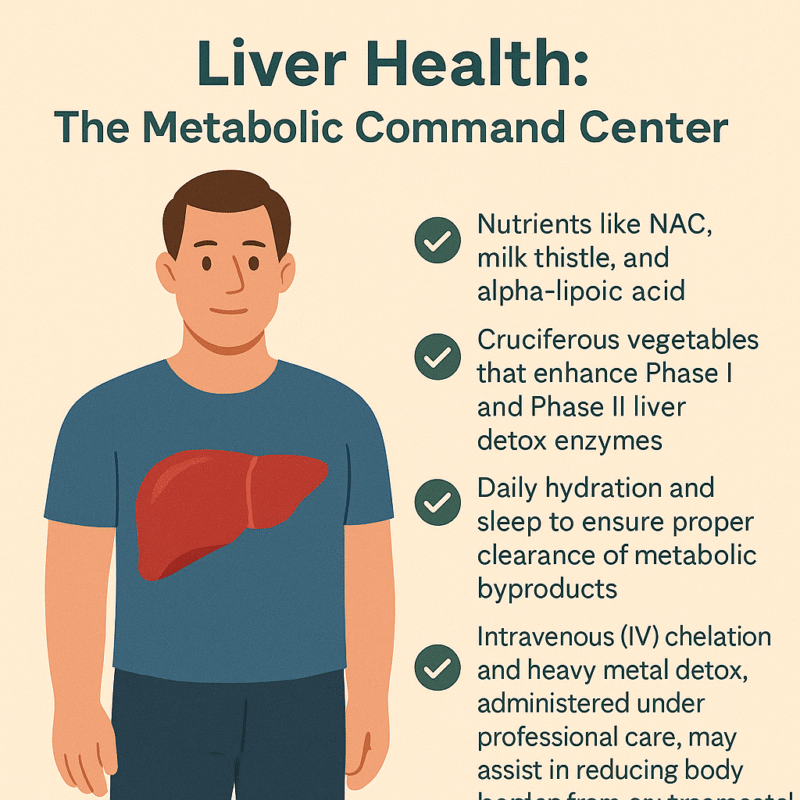
Often overlooked in weight loss conversations, the liver plays a truly central role in regulating metabolism, hormone balance, detoxification, and fat processing. It is the body’s metabolic command center, coordinating an astonishing number of chemical reactions every day—more than 500 in total. From metabolizing carbohydrates and breaking down fats to neutralizing toxins and converting hormones, the liver is integral to maintaining internal balance. When the liver is sluggish or overburdened—due to poor diet, excessive alcohol, prescription drugs, or environmental toxins—its ability to process fats and regulate glucose declines. This dysfunction can create a metabolic bottleneck, making weight loss difficult, even in people who are otherwise eating well and exercising.
A compromised liver may allow fatty deposits to accumulate within its own tissue, a condition known as non-alcoholic fatty liver disease (NAFLD). NAFLD is now one of the most common liver conditions worldwide and is strongly associated with insulin resistance, metabolic syndrome, and central obesity [14]. As the liver struggles to detoxify and process nutrients efficiently, inflammation and oxidative stress can build up systemically, impairing not just fat loss but also energy levels, immune function, and hormonal health. Since the liver also helps metabolize estrogens and other steroid hormones, a sluggish liver can worsen estrogen dominance or hormonal imbalance, especially during perimenopause and andropause.
Supporting liver function is thus not just helpful—it is essential for healthy, sustainable weight management. A multipronged approach is best. Certain nutraceuticals are well-researched for their liver-protective properties. N-acetyl cysteine (NAC) boosts intracellular glutathione, the body’s master antioxidant, helping neutralize free radicals and support Phase II detoxification. Milk thistle (silymarin) has been shown to stabilize liver cell membranes and stimulate protein synthesis in hepatocytes, while alpha-lipoic acid supports both liver regeneration and insulin sensitivity [14]. These compounds create a protective biochemical environment that enhances fat metabolism and reduces oxidative damage.
Diet also plays a major role in liver health. Cruciferous vegetables—like broccoli, cauliflower, Brussels sprouts, and kale—are rich in glucosinolates, which stimulate Phase I and Phase II detox enzymes in the liver. These enzymes help convert lipophilic toxins into water-soluble forms that can be safely excreted [15]. The fiber in these vegetables also supports gut-liver axis function by binding toxins and facilitating regular elimination. Combined with sufficient hydration and deep, restorative sleep, these practices help ensure that the liver can efficiently clear metabolic byproducts and prevent the recirculation of toxins in bile.
In more complex or toxin-burdened individuals, intravenous (IV) detoxification strategies may be warranted. Chelation therapy, using agents like EDTA or N acetyl cycteine, under medical supervision, can assist in binding and removing heavy metals such as lead, mercury, and cadmium—substances known to impair mitochondrial function and enzyme activity in the liver. These toxins, when left unchecked, contribute not only to fatty liver and oxidative stress but also to hormonal disruption and sluggish metabolism. Regular assessments and guided detox protocols can significantly reduce this toxic load, often resulting in better energy, improved body composition, and enhanced clarity of mind.
By treating the liver as the metabolic powerhouse that it is, and not merely a silent filter, we create the internal conditions for real transformation. A well-functioning liver clears the path for hormone balance, inflammation reduction, effective fat burning, and ultimately, sustainable weight loss from the inside out.
Brain and Joint Health: Weight Loss Without the Cost
In the pursuit of rapid weight loss, it’s easy to focus exclusively on calories, exercise, and appearance—yet often forgotten are the two pillars of long-term vitality and quality of life: the brain and the joints. Unfortunately, overly aggressive caloric restriction or nutrient-poor diets can have unintended consequences that affect these critical systems. When the body is deprived of key macronutrients and micronutrients, it may cannibalize structural proteins, reduce neurotransmitter synthesis, and accelerate cartilage breakdown. The result? Cognitive fog, mood instability, and increased joint pain—symptoms that are not only discouraging but can derail even the most well-intentioned weight management plans.
The brain is metabolically demanding, consuming over 20% of the body’s energy at rest. It depends on a continuous supply of healthy fats, particularly long-chain omega-3 fatty acids (EPA and DHA), stable glucose levels, and micronutrients like B vitamins, magnesium, and antioxidants to maintain its functions—memory, mood regulation, focus, and neuroplasticity. Erratic blood sugar levels, inflammation, and oxidative stress can impair synaptic efficiency and neurotransmitter production, contributing to fatigue, depression, and anxiety. Similarly, joints require structural proteins such as collagen, as well as synovial fluid support from compounds like hyaluronic acid and methylsulfonylmethane (MSM) to stay resilient under mechanical load, especially during weight-bearing exercises.
To support both neurological and musculoskeletal systems during weight loss, a foundational approach includes ensuring sufficient intake of omega-3 fatty acids, particularly EPA and DHA, which are vital for neuronal membrane fluidity and the regulation of inflammation in both the brain and joints [16]. These fatty acids not only protect against neurodegeneration but have been shown in studies to improve mood, reduce anxiety, and support executive function. For those with dietary restrictions, high-quality fish oil or algae-based omega-3 supplements can provide these benefits with minimal caloric burden.
Incorporating low-impact, joint-friendly movement—such as swimming, yoga, Pilates, or brisk walking—provides the dual benefit of stimulating circulation and maintaining mobility without excessive mechanical strain. This movement also supports lymphatic drainage, which is essential for clearing inflammatory metabolites that can accumulate with tissue breakdown or detoxification.
One underappreciated but powerful ally in preserving both cognitive clarity and joint integrity is pregnenolone, a neurosteroid produced in the brain and adrenal glands. As the precursor to key hormones like DHEA, progesterone, testosterone, and cortisol, pregnenolone plays a central role in neuroendocrine balance. It modulates receptors such as GABA and NMDA, contributing to enhanced mood stability, reduced anxiety, and sharper mental performance. Additionally, some emerging research suggests that pregnenolone may influence connective tissue metabolism and joint resilience, potentially improving recovery and reducing pain perception during periods of weight loss and increased physical demand. By supporting neurohormonal homeostasis, pregnenolone can be a valuable tool for avoiding burnout and breakdown while pursuing body recomposition.
When weight loss is approached through a lens that honors the interconnectedness of brain and joint health, the result is a more sustainable, energizing, and empowering journey. Rather than sacrificing cognitive vitality and physical freedom, we can build a path to health that enhances both—allowing us to think, move, and feel better at every stage of transformation.
Mitochondria: Engines of Life
At the cellular level, weight management is mitochondrial management. These tiny, double-membraned organelles serve as the energy factories of our cells, converting nutrients into usable energy in the form of ATP through oxidative phosphorylation. Their efficiency—or lack thereof—directly dictates how well we burn fat, respond to stress, regulate inflammation, and maintain physical stamina. Impaired mitochondrial function doesn’t just lead to fatigue—it lies at the heart of insulin resistance, obesity, neurodegeneration, and accelerated aging [18]. In essence, when mitochondria fail, the whole body slows down—metabolically, cognitively, and immunologically.
Mitochondria do far more than produce energy; they also regulate apoptosis (programmed cell death), modulate the production of reactive oxygen species (ROS), and participate in the cellular stress response. In individuals with metabolic dysfunction, these mitochondria may become swollen, leaky, and inefficient—burning fuel poorly while spilling oxidative byproducts into the surrounding tissue. This “leaky battery” state can lead to a vicious cycle of inflammation, hormonal disruption, and impaired detoxification, all of which sabotage fat loss and degrade overall vitality. A sluggish mitochondrion doesn’t just stall your metabolism; it creates a state of biological inertia.
Optimizing mitochondrial function is therefore a cornerstone of sustainable weight loss, especially for individuals suffering from fatigue, brain fog, or metabolic resistance. One of the most exciting and non-invasive methods for enhancing mitochondrial health is red and near-infrared light therapy. By stimulating cytochrome c oxidase in the mitochondrial electron transport chain, photobiomodulation boosts ATP output, reduces inflammation, and can even trigger mitochondrial biogenesis—the creation of new mitochondria [19]. This makes red light therapy particularly valuable for those with sedentary lifestyles, injuries, or chronic pain who may not yet tolerate vigorous exercise.
Nutritional and nutraceutical interventions also play a powerful role in mitochondrial revitalization. Key compounds such as Coenzyme Q10 (CoQ10), PQQ, and L-carnitine work synergistically to enhance mitochondrial energy output, protect against oxidative damage, and shuttle fatty acids into mitochondria for oxidation. Among these, methylene blue is gaining interest as a novel “electron cycler”—acting as a bypass for damaged segments of the electron transport chain. By accepting and donating electrons, methylene blue improves redox cycling, enhances ATP production, and reduces ROS generation in compromised cells [20]. Used in microdoses, it has shown promise in conditions ranging from mitochondrial myopathy to cognitive decline, and could serve as a valuable tool in resistant weight loss and energy optimization strategies.
High-dose riboflavin (vitamin B2) and niacin (vitamin B3) offer additional mitochondrial support by functioning as precursors to FAD+ and NAD+, respectively—critical cofactors in enzymatic reactions that drive energy metabolism. These nutrients can be particularly helpful in individuals with mitochondrial fatigue, chronic illness, or those exposed to high levels of environmental toxins. Enhancing the NAD+/NADH ratio, a key marker of mitochondrial health, also promotes autophagy and DNA repair, further linking these vitamins to longevity pathways.
An often-underestimated ally in mitochondrial wellness is ascorbic acid (vitamin C). While best known as an antioxidant, vitamin C also plays a cofactor role in carnitine synthesis, collagen production (crucial for mitochondrial membrane integrity), and several steps within the TCA cycle, the energy-producing hub of the mitochondrion. Its antioxidant properties help buffer against mitochondrial-generated ROS, while also supporting adrenal function during periods of metabolic stress.
Lifestyle strategies round out the mitochondrial toolbox. Cold exposure, intermittent fasting, and high-intensity exercise all stimulate mitochondrial biogenesis and autophagy, creating a cellular environment optimized for fat burning and longevity [21]. Fasting in particular activates AMPK and PGC-1α, key regulators of energy balance and mitochondrial renewal, while simultaneously reducing insulin and inflammation.
When mitochondria thrive, the body gains the capacity to lose fat without losing energy, to detoxify without exhaustion, and to age without decline. By nourishing these intracellular engines, we ignite a foundation not only for sustained weight management, but also for vibrant, whole-body health.
Hormones: Conductors of Weight and Wellness
Hormones are the body’s master messengers, orchestrating nearly every physiological process, from metabolism and mood to sleep, libido, and fat storage. In the context of weight management, hormonal balance is not optional—it is foundational. Hormones act like conductors of a symphony: when in harmony, the body hums along with vitality and metabolic clarity; when imbalanced, even the best efforts in nutrition and exercise may falter. Key players like thyroid hormones, cortisol, insulin, estrogen, and testosterone form a dynamic web. A disturbance in one arm of this network often causes ripple effects across the entire system, creating a cascade of dysfunction that leads to stubborn fat gain, fatigue, mood swings, and muscle loss.
The thyroid gland, for instance, regulates basal metabolic rate through hormones T3 and T4. Suboptimal thyroid function—whether due to nutrient deficiencies (like iodine or selenium), autoimmunity, or stress—can significantly reduce calorie burn and slow fat oxidation, even when diet and activity levels are on point [22]. Without proper thyroid signaling, individuals often experience cold intolerance, constipation, and weight gain despite caloric restriction. Supporting thyroid health requires a blend of nutritional sufficiency, gut health, and in some cases, fine-tuning of T3/T4 balance through medical therapy.
Cortisol, the stress hormone, is equally influential. While short-term cortisol spikes can help mobilize energy during stress or fasting, chronic elevation due to unresolved psychological stress, poor sleep, or overtraining can promote abdominal fat storage, suppress thyroid function, and worsen insulin resistance. Modulating cortisol naturally through lifestyle adjustments—such as breathwork, circadian rhythm alignment, and emotional regulation—is powerful. The inclusion of adaptogenic herbs like ashwagandha and Rhodiola rosea has shown to buffer the physiological effects of chronic stress, enhancing resilience while supporting adrenal recovery [23].
Sex hormones such as testosterone and estrogen also play vital roles. In both men and women, low testosterone is associated with increased fat mass and decreased lean muscle. Estrogen, while often vilified, is essential for bone density, glucose regulation, and mitochondrial function. Hormonal imbalances during menopause, andropause, or due to environmental xenoestrogens can shift body composition unfavorably. In cases of clinically confirmed deficiency or dysfunction, bioidentical hormone replacement therapy (BHRT)—tailored to individual needs and monitored closely—can restore physiological balance, improve metabolic flexibility, and enhance quality of life [24].
Ultimately, hormonal optimization is not about manipulating a single hormone in isolation. It’s about understanding the interdependence of systems—the thyroid talking to the adrenals, the pancreas influencing the ovaries, and so forth. A functional medicine approach uses labs, symptom tracking, and lifestyle factors to address root causes and restore rhythm to the body’s hormonal symphony.
Detoxification: Your Weight Loss Accelerator
In today’s world, toxic burden is a hidden variable in many cases of resistant weight loss. From pesticides and plastics to heavy metals and hormone-disrupting chemicals, we are constantly exposed to substances that the body must metabolize and clear. Many of these toxins are lipophilic, meaning they are stored in fat tissue. As the body burns fat during weight loss, these toxins are released back into circulation. Without adequate support, this process can overwhelm detoxification pathways, resulting in fatigue, brain fog, stalled progress, or even hormone disruption.
Detoxification is not just a cleanse—it’s a biochemical process, primarily performed by the liver, gut, kidneys, skin, and lymphatic system. The liver’s Phase I and Phase II detox enzymes transform fat-soluble toxins into water-soluble metabolites that can be excreted through bile or urine. However, this process requires sufficient cofactors such as sulforaphane (from broccoli sprouts), glutathione, B vitamins, and amino acids like glycine and cysteine [25]. If these nutrients are lacking—or if Phase II is sluggish while Phase I is overactive—intermediary toxins can accumulate, increasing oxidative stress and inflammation.
Supporting detox is a layered endeavor. Consuming cruciferous vegetables, berries, and high-fiber foods provides both enzymatic activation and toxin-binding capacity in the gut. Hydration and adequate bile flow (supported by bitters or phosphatidylcholine) are essential for flushing waste through the liver-gallbladder-intestinal axis. Moreover, regular infrared sauna therapy can augment toxin clearance through the skin, while simultaneously stimulating heat shock proteins that protect cellular integrity [26].
The gut, often referred to as the “second liver,” plays a key role in toxin recycling. A compromised intestinal lining can allow enterohepatic recirculation—the reabsorption of bile-bound toxins—further burdening the liver. Maintaining gut integrity with probiotics, immunoglobulins, and fiber reduces this loop and ensures toxins are carried out effectively [27]. Additionally, movement practices such as rebounding, lymphatic massage, and walking support the drainage systems that move cellular waste out of the body.
For individuals with elevated toxic exposure—such as mold, mercury, lead, or persistent organic pollutants—deeper interventions may be required. IV chelation, phospholipid exchange, and high-dose antioxidant IV therapy can accelerate removal of these compounds when performed under professional care. These therapies help to restore mitochondrial and hormonal function by removing the underlying biochemical irritants that interfere with cell signaling and energy production.
Rather than relying on fads or quick cleanses, a structured, nutrient-dense, and practitioner-guided detox protocol aligns with how the body is biologically designed to heal. In the context of weight loss, it allows for the safe release of stored toxins, reducing inflammatory backlash and preserving hormonal and mitochondrial resilience. Done correctly, detoxification becomes not just a side strategy, but a catalyst for deep metabolic renewal.
The EBOO Advantage: Ozone for Metabolism
In the quest to optimize metabolism, reduce inflammation, and support cellular renewal, Extracorporeal Blood Oxygenation and Ozonation (EBOO) has emerged as a promising adjunctive therapy within integrative and functional medicine. This cutting-edge technique involves drawing blood from the patient, infusing it with a carefully calibrated concentration of ozonated oxygen, and reintroducing it into the body in a closed-loop system. The goal is to stimulate a cascade of oxidative preconditioning responses—essentially “training” the body to bolster its antioxidant defenses, optimize circulation, and enhance mitochondrial resilience. Though still considered investigational in many countries, early studies and clinical observations suggest that EBOO may have multi-system benefits, particularly for individuals dealing with metabolic dysfunction, chronic inflammation, or toxic burden [28].
One of the most compelling aspects of EBOO is its impact on systemic inflammation, which lies at the root of obesity, type 2 diabetes, cardiovascular disease, and autoimmune conditions. By modulating cytokine levels, particularly pro-inflammatory markers like IL-6 and TNF-α, EBOO has demonstrated the potential to lower the inflammatory burden associated with metabolic syndrome [29]. In individuals who have plateaued in their weight loss journey or present with persistent fatigue, brain fog, or joint pain—despite lifestyle interventions—EBOO may offer a way to reduce subclinical inflammation and restore metabolic momentum. Its potential to support immune recalibration without immunosuppression makes it uniquely suited for conditions marked by immune overactivity and oxidative stress.
Another key benefit of EBOO lies in its support for mitochondrial function. By improving oxygen delivery to tissues and enhancing redox balance, ozone therapy may help optimize aerobic respiration, leading to improved energy production, clearer thinking, and greater endurance [30]. Ozone is thought to upregulate antioxidant systems such as superoxide dismutase (SOD) and glutathione peroxidase, which counteract the reactive oxygen species generated during fat metabolism and detoxification. This makes EBOO particularly valuable when paired with weight loss, as the release of toxins from fat cells can temporarily increase oxidative stress. By boosting the body’s adaptive antioxidant response, EBOO creates a smoother metabolic transition and reduces detox-related fatigue.
Safety remains paramount. While ozone therapy has been used for decades in parts of Europe, it requires precise dosing and delivery techniques to avoid oxidative overload or complications. EBOO, unlike direct intravenous ozone (DIV), allows for controlled, high-volume exposure in a filtered circuit, minimizing the risk of gas embolism or localized irritation. It must be administered by trained clinicians using medical-grade ozone generators and ozone-resistant materials. As with any emerging therapy, patients should undergo appropriate screening for contraindications, such as G6PD deficiency or unstable cardiovascular conditions, and engage in shared decision-making with their providers.
Though more randomized controlled trials are needed to validate EBOO’s long-term efficacy, early results and clinical experience are encouraging. For individuals seeking to enhance metabolic recovery, reduce inflammation, and support detoxification in the context of structured weight loss programs, EBOO may offer a novel and systemically restorative tool. When integrated with nutrition, movement, mitochondrial support, and hormone balancing, ozone therapy can become part of a multi-layered strategy for true metabolic renewal.
A New Metric of Success: Beyond BMI
For too long, weight management has been reduced to a single, overly simplistic number: Body Mass Index (BMI). While easy to calculate, BMI fails to distinguish between muscle and fat, visceral versus subcutaneous adiposity, or inflammation versus metabolic health. It tells us nothing about bone density, hormonal patterns, micronutrient status, or mitochondrial vitality. And most importantly, it tells us nothing about how someone feels—their energy, clarity, strength, or resilience. In our effort to measure health, we’ve often confused simplicity with accuracy.
True transformation goes far beyond weight or BMI. The real markers of meaningful, lasting change are found in deeper metrics: inflammatory markers like hs-CRP and IL-6, fasting insulin, lean muscle retention, DEXA-assessed bone density, and hormonal balance across the adrenal-thyroid-gonadal axis. It includes the quality of one’s sleep, the stability of energy throughout the day, the sharpness of thought, and the ease of movement. These are the dimensions where real health lives—and where future weight loss strategies must focus.
Perhaps the most powerful of all is metabolic flexibility—the ability to switch between burning fat and glucose based on energy demand and availability. A metabolically flexible body can fast without crashing, exercise without bonking, and enjoy whole foods without guilt. It’s not enslaved by cravings or bound to rigid macros. Instead, it adapts with grace to the changing needs of life. Cultivating this flexibility requires muscle preservation, mitochondrial efficiency, hormonal balance, and a nutrient-dense, anti-inflammatory lifestyle—not endless restriction or willpower.
This shift in focus—from mere weight to whole-system performance—is not just empowering, it’s necessary. It invites both patients and practitioners to ask new questions: Are we building strength or just losing mass? Are we reducing inflammation or just chasing numbers? Are we nourishing longevity or just shrinking temporarily? With better questions come better answers—and ultimately, better outcomes.
Final Thoughts: The Future of Weight Loss
As we move into a more advanced, personalized, and integrative era of medicine, our understanding of weight must also evolve. Weight is not a standalone symptom, but rather a visible expression of complex physiological imbalances involving hormones, detoxification, gut health, mitochondrial performance, circadian biology, and neuroendocrine integrity. To treat weight loss effectively is to treat the body as an ecosystem—dynamic, interconnected, and responsive to its environment.
In the future, lean muscle will be viewed not merely as aesthetic but as a vital organ of longevity and metabolic defense. Mitochondria, once relegated to cell biology lectures, will become clinical biomarkers, monitored and supported through light, nutrients, and precision medicine. Liver health will no longer be secondary but central to fat metabolism, hormonal processing, and detox resilience. Hormonal intelligence will replace hormonal fear, recognizing the power of estrogens, androgens, cortisol, and thyroid in shaping both physical composition and psychological health.
Inflammation will be addressed not with blanket suppression but with targeted, nuanced interventions—from resveratrol and curcumin to ozone and red light—each chosen to recalibrate rather than mute. Technologies like EBOO therapy, IV detox, and advanced nutritional protocols will integrate with behavioral science and emotional healing to create approaches that are both rooted in science and personalized for the individual.
For patients, this is a call to redefine success. Success isn’t how much you weigh; it’s how well you live in your body. It’s waking up energized, thinking clearly, digesting easily, and moving freely. It’s having a body that works with you, not against you, in all seasons of life.
For practitioners, it’s a reminder that the future of medicine lies not just in more data, but in deeper systems thinking—seeing how the thyroid speaks to the mitochondria, how detox affects estrogen metabolism, how cortisol reshapes the gut lining. It is a practice of artful precision, where diagnostics and lifestyle medicine meet.
Whether you’re a patient seeking a new path or a doctor crafting a new protocol, know this: Real weight management is not a sprint—it’s a symphony. It is the orchestration of metabolism, movement, nourishment, and nervous system balance. Every pound lost wisely is not just fat gone—it is years gained in strength, clarity, and resilience. This is not weight loss for the mirror. This is transformation for life.
Written by: [Dr. Mitra Basu Chhillar]
Functional Medicine Advocate | Metabolic Health Educator
References
- Cruz-Jentoft AJ, et al. Sarcopenia: European consensus on definition and diagnosis. Age Ageing. 2010;39(4):412-23.
- DeFronzo RA, et al. Pathogenesis of type 2 diabetes mellitus. Med Clin North Am. 2004;88(4):787–835.
- Pedersen BK, Febbraio MA. Muscles, exercise and obesity: skeletal muscle as a secretory organ. Nat Rev Endocrinol. 2012;8(8):457–65.
- Phillips SM. Nutrient-rich meat proteins in muscle maintenance and function. Br J Nutr. 2012;108(Suppl 1):S51-3.
- Churchward-Venne TA, et al. Nutritional regulation of muscle protein synthesis with resistance exercise. Nutr Metab (Lond). 2012;9:40.
- Villareal DT, et al. Weight loss, exercise, or both and physical function in obese older adults. N Engl J Med. 2011;364(13):1218–29.
- Karsenty G, Ferron M. The contribution of bone to whole-organism physiology. Nature. 2012;481(7381):314–20.
- Holick MF. Vitamin D deficiency. N Engl J Med. 2007;357(3):266–81.
- Blake GM, et al. Bone mineral density and DEXA. Bone. 2007;41(4):548–56.
- Hotamisligil GS. Inflammation and metabolic disorders. Nature. 2006;444(7121):860–7.
- Esser N, et al. Inflammation as a link between obesity, metabolic syndrome and type 2 diabetes. Diabetes Res Clin Pract. 2014;105(2):141–50.
- Patel SR, et al. Short sleep duration and weight gain. Sleep. 2006;29(2):195–200.
- Baur JA, Sinclair DA. Therapeutic potential of resveratrol: the in vivo evidence. Nat Rev Drug Discov. 2006;5(6):493–506.
- Sutti S, Albano E. Adaptive immunity: an emerging player in the progression of NAFLD. Nat Rev Gastroenterol Hepatol. 2020;17(2):81–92.
- Higdon JV, Frei B. Cruciferous vegetables and human cancer risk: epidemiologic evidence and mechanistic basis. Pharmacol Res. 2007;55(3):224–36.
- Dyall SC. Long-chain omega-3 fatty acids and the brain: a review of the independent and shared effects of EPA, DPA and DHA. Front Aging Neurosci. 2015;7:52.
- Bello AE, et al. Collagen hydrolysate for the treatment of osteoarthritis and other joint disorders: a review. Curr Med Res Opin. 2006;22(11):2221–32.
- Petersen KF, et al. Mitochondrial dysfunction in the elderly: possible role in insulin resistance. Science. 2003;300(5622):1140–2.
- Hamblin MR. Mechanisms and mitochondrial redox signaling in photobiomodulation. Photochem Photobiol. 2018;94(2):199–212.
- Gonzalez-Lima F, Auchter AM. Methylene blue as a cognitive enhancer. Metab Brain Dis. 2015;30(3):593–9.
- Mattson MP, et al. Intermittent metabolic switching, neuroplasticity and brain health. Nat Rev Neurosci. 2018;19(2):63–80.
- Zimmermann MB, Boelaert K. Iodine deficiency and thyroid disorders. Lancet Diabetes Endocrinol. 2015;3(4):286–95.
- Panossian A, Wikman G. Effects of adaptogens on the central nervous system and the molecular mechanisms associated with their stress-protective activity. Pharmaceuticals. 2010;3(1):188–224.
- Holtorf K. Hormone replacement therapy and the prevention of aging. Postgrad Med. 2009;121(1):73–85.
- Pizzorno J. Environmental toxins and detoxification. Integr Med (Encinitas). 2014;13(1):8–14.
- Hannuksela ML, Ellahham S. Benefits and risks of sauna bathing. Am J Med. 2001;110(2):118–26.
- DeMeo MT, et al. Intestinal permeability defect in irritable bowel syndrome: a pilot study. Neurogastroenterol Motil. 2002;14(6):669–75.
- Bocci V. Ozone: A New Medical Drug. Dordrecht: Springer; 2011.
- Elvis AM, Ekta JS. Ozone therapy: A clinical review. J Nat Sci Biol Med. 2011;2(1):66–70.
- Martínez-Sánchez G, et al. Therapeutic properties of ozone in patients with diabetes mellitus. Diabetes Metab Syndr. 2010;4(2):113–7.
Dr. Mitra Basu Chhillar, M.D., M.B.A.
Soma Wellness Clinic,
Mumbai
The fear of oxalate stone formation from high-dose vitamin C (ascorbic acid) supplementation—especially in intravenous (IV) doses used in functional medicine—has been a longstanding concern in conventional medicine. However, functional and integrative medicine practitioners often do not consider this a significant risk when protocols are correctly followed. Here’s a detailed explanation supported by scientific literature:
Why the Fear of Oxalate Stones Exists
Ascorbic acid can be metabolized to oxalate, a component of calcium oxalate stones, the most common type of kidney stones. Early studies found that:
- Oral vitamin C increases urinary oxalate [1].
- Excess oxalate can crystallize with calcium to form stones, especially in patients predisposed to hyperoxaluria or with poor kidney function [2].
Why Functional Medicine Disregards the Fear (When Applied Properly)
1. IV vs Oral Metabolism
- Oral vitamin C undergoes hepatic first-pass metabolism, producing more oxalate as a metabolite.
- IV vitamin C, even in doses >25–100 grams, bypasses the liver initially and leads to rapid cellular uptake and renal excretion as ascorbate or dehydroascorbate—not oxalate [3].
Study: Robitaille et al., Annals of Hematology (2009) demonstrated that high-dose IV vitamin C does not significantly elevate urinary oxalate [4].
2. Short Plasma Half-Life and Efficient Renal Handling
- Ascorbate is quickly cleared by the kidneys. Its renal threshold ensures that excess is excreted as unmetabolized ascorbate—not all is converted to oxalate.
- Urinary oxalate rises only marginally, if at all, in healthy individuals [5].
Study: Carr et al., Antioxidants (2021) note that vitamin C at 50–100 g IV does not raise oxalate levels beyond physiological tolerance in patients without pre-existing renal impairment [6].
3. Supporting Cofactors and Protective Measures
Functional medicine often combines IV vitamin C with:
- Magnesium: Prevents calcium oxalate crystallization.
- Hydration protocols: Promote urinary flow and reduce concentration.
- Glutathione IV push: Prevents oxidative stress and facilitates proper metabolite clearance.
- Monitoring urinary pH and oxalate levels when indicated.
This holistic approach prevents oxalate buildup and supports detoxification pathways.
4. Oxalate Stones Are Multifactorial
Risk is heavily influenced by:
- Genetics (e.g., SLC26A1 polymorphisms)
- Chronic dehydration
- Diet high in oxalates (spinach, almonds, etc.)
- Glyoxylate metabolism disorders
Vitamin C alone is not a sufficient cause for stone formation in the absence of these risk factors [7].
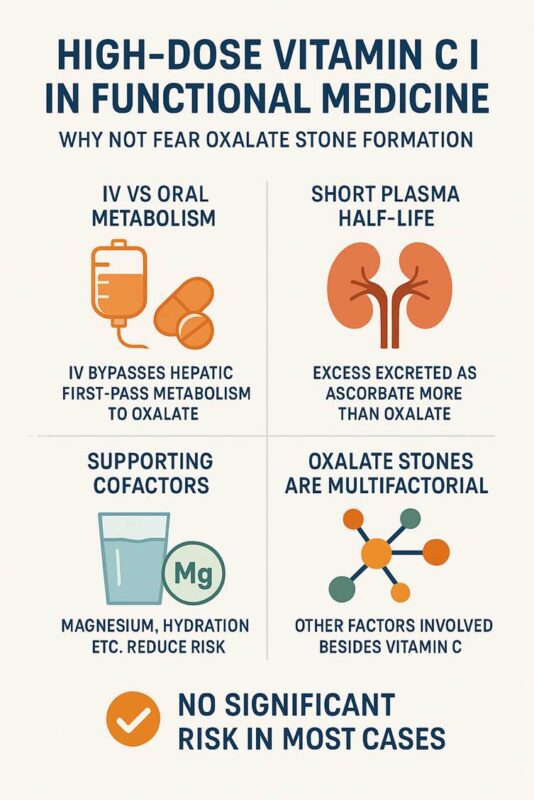
Key Supporting Publications
- Massey et al. (2005) – Nephrology Dialysis Transplantation: Oral vitamin C raises urinary oxalate modestly, but no direct link to stones at doses <2 g/day [1].
- Robitaille et al. (2009) – Ann Hematol: High-dose IV vitamin C (up to 100 g) does not significantly increase plasma or urinary oxalate [4].
- Padayatty et al. (2004) – Ann Intern Med: IV vitamin C achieves higher plasma levels and has a different pharmacokinetic profile than oral [8].
- Carr AC, Cook J, (2021) – Antioxidants: Summary of IV vitamin C safety, including renal implications and negligible oxalate risk [6].
- Riordan et al. (2005) – Med Hypotheses: Described safety and biochemical fate of high-dose IV vitamin C; no evidence of oxalate-related toxicity [9].
- Morris JG et al. (2015) – Kidney International: Notes that most calcium oxalate stones are not caused by ascorbate but dietary oxalates and low urinary citrate [10].
When Caution Is Justified
Functional medicine does not dismiss oxalate risk entirely—but:
- Caution is applied in chronic kidney disease, history of recurrent oxalate stones, or G6PD deficiency.
- Baseline renal function is always assessed before high-dose protocols.
Summary
Functional medicine practitioners give high-dose IV vitamin C without fear of oxalate stones in most cases because:
- IV administration avoids hepatic conversion to oxalate.
- Most excess is excreted unmetabolized.
- Supporting cofactors and hydration reduce risk.
- The real-world incidence of stones from IV vitamin C is extremely rare, and not supported by robust clinical evidence.
At SOMA Wellness Clinic, we advocate taking pharmaceutical-grade Magnesium Citrate and Magnesium Chloride powders to help restore and maintain optimal magnesium levels. Magnesium is a vital mineral required for over 300 biochemical reactions in the body, including:
- Muscle and nerve function
- Energy production (ATP)
- Hormonal balance
- Cardiovascular health
- Bone strength
- Sleep regulation and stress resilience
- Prevention of migraines and muscle cramps
Dosage & Instructions
1. Magnesium Chloride (Pharma Grade)
- Dosage: ½ teaspoon
- How: Dissolve in a glass of water
- When: Preferably before bedtime
2. Magnesium Citrate (Pharma Grade)
- Dosage: ½ teaspoon
- How: Dry powder to be gulped and followed by water (if preferred, can be dissolved)
- When: At the same time as magnesium chloride—before bedtime
Precautions
Do NOT use without medical supervision if:
- You have kidney disease, renal insufficiency, or are on dialysis
Impaired kidneys cannot efficiently excrete magnesium, leading to potential magnesium toxicity (hypermagnesemia), which can cause:
- Nausea, flushing, and low blood pressure
- Slow heart rate or irregular rhythms
- Confusion, drowsiness, or even coma in severe cases
- You are on medications such as diuretics, antibiotics (like aminoglycosides), or heart medications (like digoxin) – consult your physician first.
Signs of Excess Magnesium (Overdose):
- Loose stools or diarrhea
- Fatigue or drowsiness
- Weakness or muscle lethargy
- Slowed reflexes
If any of these occur, reduce the dose or discontinue and consult your health provider.
Who Will Benefit Most from Supplementation?
- Individuals with high stress or poor sleep
- People with muscle cramps, restless legs, or migraine history
- Athletes, women with PMS, or peri/post-menopausal individuals
- Those with insulin resistance, hypertension, or osteopenia/osteoporosis
- People on long-term PPIs, diuretics, or poor diets (low in greens/nuts/seeds)
Storage
- Store in a cool, dry place in an airtight container.
- Keep out of reach of children.
Note from Dr. Mitra Basu Chhillar
These supplements are part of a holistic wellness program. They are not substitutes for a balanced diet or medical care. Regular monitoring of magnesium levels (especially in high-risk individuals) is advisable. Magnesium is a core mineral for longevity, energy, and hormonal health—yet often neglected.


